
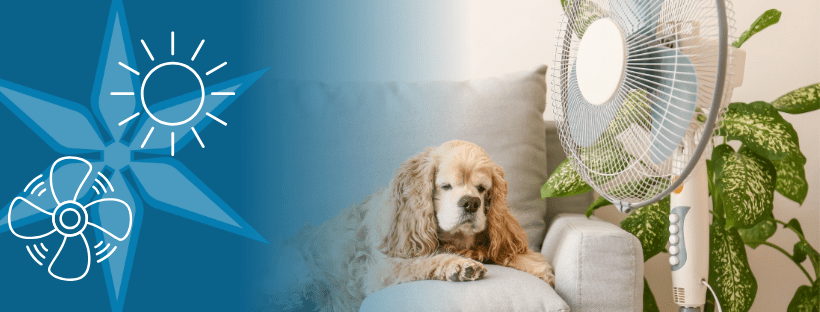
The summer sun blazes down, making it feel like an oven outside.
Inside, your air conditioner is working overtime, which means you’re shelling out overtime pay in the form of hefty bills.
This is a familiar struggle for many homeowners during the peak summer months.
But don’t sweat it—there are practical steps you can take to keep your home cool and comfortable without over-relying on your AC.
Understanding HVAC Challenges in Summer
During the scorching summer months, your HVAC system becomes your home’s main defense against the relentless heat. On the hottest days, it means your AC is working full-time, which puts pressure on your system and your wallet.
Trying to keep up with soaring temperatures will put a decent amount of stress on any AC system, but there are some additional reasons why your AC may struggle to keep up.

- Maintenance Issues: Neglecting regular maintenance tasks like changing air filters, cleaning vents, and scheduling professional inspections can compromise HVAC performance. Dirty filters restrict airflow, forcing the system to work harder to circulate air, while dirty vents can hinder air distribution.
- Improperly sized HVAC systems or ductwork: Issues can result in uneven cooling throughout your home. Certain areas may feel warmer or cooler than others, leading to discomfort for occupants.
- Environmental Factors: External factors such as direct sunlight, high humidity levels, and heat gain through windows can also strain your HVAC system. These factors increase the load on the system as it tries to maintain a comfortable indoor environment.
7 Tips to Keep Your Home Cool
When you’re trying to lighten the load on your AC and avoid the huge bills, use these practical tips to help you maintain a comfortable indoor environment.
1. Use Fans Strategically
- Ceiling Fans: Set your ceiling fans to rotate counterclockwise to create a cooling breeze. This helps distribute cool air more effectively and can make a room feel up to 4 degrees cooler.
- Floor and Table Fans: Place portable fans near windows at night to draw in cooler air. During the day, position them to circulate air throughout the room.
- Exhaust Fans: Use exhaust fans in kitchens and bathrooms to remove heat and humidity generated from cooking and showers.
2. Optimize Window Treatments
- Close Blinds and Curtains: Keep blinds, shades, or curtains closed during the hottest part of the day to block out direct sunlight and reduce heat gain.
- Reflective Films: Apply reflective window films to deflect sunlight and reduce heat absorption.
- Insulated Curtains: Use insulated or thermal-backed curtains to minimize heat transfer through windows further.
3. Enhance Home Insulation
- Seal Gaps and Cracks: Ensure that doors and windows are properly sealed to prevent hot air from entering and cool air from escaping.
- Add Insulation: Consider adding insulation to your attic and walls to keep your home cooler in the summer and warmer in the winter.
4. Use Natural Ventilation
- Night Ventilation: Open windows at night to allow cooler air to flow into your home. Close them in the morning before the temperature rises to trap the cool air inside.
- Cross-Ventilation: Open windows on opposite sides of the house to create a cross-breeze. This encourages airflow and helps expel hot air.
5. Limit Heat-Producing Activities
- Cook Smart: Avoid using the oven or stove during the hottest part of the day. Opt for no-cook meals, and use a microwave or grill outside instead.
- Use Appliances Wisely: Run heat-generating appliances like dishwashers and clothes dryers during the cooler parts of the day or at night.
6. Incorporate Greenery
- Indoor Plants: Place indoor plants around your home to help cool the air through the process of transpiration.
- Shade Trees: Plant shade trees or install trellises with climbing plants outside your home to block direct sunlight and reduce heat gain.
7. Utilize Reflective Roof Coatings
- Apply Reflective or Light-colored Paint: With light colors or a reflective coating, your roof will reflect more sunlight and absorb less heat, keeping your home cooler.
Extra Tips to Improve Your HVAC Efficiency
Boosting the efficiency of your HVAC system will help it keep up with the summer heat, reduce energy consumption, and lower your utility bills.
Here are some practical tips to enhance your HVAC efficiency:
1. Schedule Regular Maintenance
Schedule annual maintenance checks with a professional HVAC technician to ensure your system runs smoothly.
Regular inspections can identify and fix minor issues before they become major problems and ensure the coils, fins, and filters are clean and free of dust and debris buildup that can reduce your system’s efficiency and airflow.
2. Replace Air Filters
Replace or clean air filters every 1-3 months. Dirty filters restrict airflow, making your HVAC system work harder to cool your home.
If available, consider using high-efficiency air filters to capture more dust and allergens while maintaining optimal airflow. You can ask your HVAC tech if that’s possible for your system.
3. Seal Ductwork
Have your ductwork inspected for leaks and gaps. Sealing these leaks can improve airflow and ensure that cooled air reaches all areas of your home efficiently.
Also, insulate your ductwork, especially in unconditioned spaces like attics and basements, to prevent energy loss and maintain cooler air temperatures.
4. Optimize Thermostat Settings
Use a programmable thermostat to adjust temperatures based on your schedule. Set higher temperatures when you’re away and cooler temperatures when you’re home.
If you want something even easier, you can invest in a smart thermostat that learns your preferences and adjusts settings automatically for maximum efficiency.
5. Improve Home Insulation
Seal gaps around windows, doors, and other openings to prevent cool air from escaping and warm air from entering.
Enhance your home’s insulation, especially in attics, walls, and basements, to reduce heat transfer and maintain a cooler indoor environment.
6. Shade Your HVAC Unit
Provide shade for your outdoor HVAC unit by placing it under a tree or installing a shade structure. This helps the unit operate more efficiently by keeping it cooler.
Ensure that the area around your outdoor unit is free from debris, plants, and other obstructions to allow for proper airflow and efficient operation.
7. Upgrade Your HVAC System
If your HVAC system is old or inefficient, consider upgrading to a newer, energy-efficient model. Look for units with high SEER (Seasonal Energy Efficiency Ratio) ratings for better performance.
Or, talk to an HVAC expert to ensure your HVAC system is properly sized for your home. An oversized or undersized system can lead to inefficiency and discomfort.
Stay Cool Even on the Hottest Days with Kauffman Gas
Don’t let the summer heat take over your home. With the right strategies, you can keep your living space comfortable and cool without overworking your AC.
Implement these tips to create a naturally cooler environment and schedule HVAC maintenance with us to ensure your AC can keep chugging all summer.