
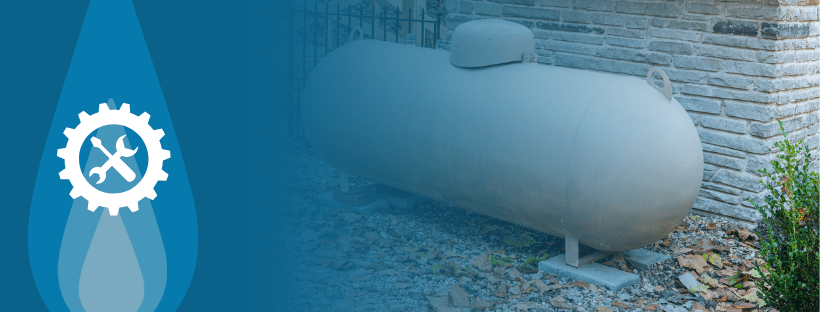
Did you know the United States is one of the leading propane suppliers? Availability is just one of the advantages of choosing propane.
As a heating fuel, propane has many perks that people love. A propane heating system requires very little maintenance. Propane is efficient, which saves homeowners on energy bills.
Overall, it’s more efficient, safer, and better for the environment than natural gas. Propane tank installation is less invasive than installing natural gas lines.
Whether you’re a brand-new propane customer or considering switching to a new service provider, in this article, we’ll share a few helpful tips to make the transition smoother. Take a minute and learn more about this fantastic alternative so that you’re ready when it’s time to connect a propane tank at your home.
Propane Can Do Anything
For residential use, propane can make your life easier simply because it can be used as a fuel source for most of your home systems. You can use propane to run your:
- Furnace
- Fireplace
- Air conditioner
- Water heater
- Refrigerator
- Stove
- Clothes dryer
- Outdoor grill
You might not realize that this clean-burning fuel can also power vehicles. Many people in the farming industry use propane as a fuel source for farm equipment, but farmers aren’t the only ones using propane for transportation.
The Propane Education and Research Council estimate that there are around 60,000 on-road vehicles with fuel systems certified to run on propane.
Who knows—one day, maybe we’ll need to look for propane filling stations rather than gas. Until then, you’ll enjoy the benefits of using propane as your primary home energy resource.
What Tank Size You Will Need
When planning a propane tank installation, most people feel curious about size. Propane tanks come in sizes ranging from 20 pounds to 1000 gallons.
If you use an outdoor propane grill or have an RV, you’re familiar with the smaller tanks. A 20-lb propane tank is portable and can run grills, outdoor space heaters, and generators. The fuel capacity for a 20-lb tank is around 4.5 gallons of propane.
The largest tank—1000 gallons—holds up to 800 gallons of propane fuel. You probably won’t need a tank this large unless all your appliances use propane or you need to heat a large home.
Your propane delivery service will ask several questions to help determine what size tank best serves your needs. Rest assured, you won’t need that 1000-gallon tank (about 16 feet long); if you do, your propane service will likely bury it underground.
Placing the Propane Tank on Your Property
Although propane is safer than natural gas, your propane service representative will still need to assess where to place your tank. Distance matters, and propane installers follow several rules as far as tank placement.
Generally, tanks must sit at least 10 feet away from your home. Size also matters when considering placement—larger tanks and those buried underground fall under different regulations.
If you install a 420-lb vertical-style or cylinder tank, you must install it at least 3 feet from windows and doors. This type of tank and all other size tanks must sit 10 feet away from any ignition or air intake source. Examples of ignition sources include:
- Air conditioner window units
- Compressors
- Generators
- Open flames
Another thing propane installers consider when placing a tank on a residential property is the distance between a building and the points of transfer and safety relief valves.
You can rest easy about the placement of tanks and any other safety issues when you work with a company qualified in propane installation services.
Please note that propane tanks do not belong indoors. Even though they’re portable, even the 20-lb tanks must stay outside when in use.
Next, we’ll go over a few things you can do to prepare your property to install a new propane tank.
Propane Tank Installation Prep Work
Most homeowners feel relieved when they find out they don’t need to do anything extreme to prepare for propane tank installation. The installers do most of the outside work!
If you have a tank installed for a brand-new home, you should ensure you’ve installed all interior drywall and applied the initial coat of primer. The property owner is responsible for installing and venting all propane appliances and properly installing the gas line.
The gas line goes from the appliances to an exterior wall. If you don’t already have an outside gas line, your propane tank installer will put one in for you.
As far as preparing the installation area outside your home or building, clearing a path is the most helpful thing you can do. You’ll also want to ensure the truck delivering your new tank has a broad enough way to pull into your driveway and get the tank to its location.
What To Expect When Switching Propane Delivery Services
Unless you own your propane tank, you’ll get a new one when you switch from one service provider to another. It’s not uncommon for a property owner to lease their tank, so that’s something you should keep in mind as you plan the switch.
Don’t worry. Your new delivery service will not leave you high and dry without a tank. They will install one of their tanks if needed.
If you’re upgrading to a larger tank or downsizing to something smaller, your installer will remove the old tank. In some cases, they can install the new tank in the exact location, but they may need to determine a new place to satisfy safety regulations.
Propane Tank Installation Services in Downingtown, PA
Whether you’re new to using propane as a fuel source or considering switching to a new propane delivery service, make sure you choose the best service to meet your needs.
Kauffman Gas is not the new kid on the block. We’ve cared for propane tank installation and delivery in Downingtown, PA, and the surrounding area for 75 years. We also offer HVAC services! We’re local and family-owned—our customers love that about us—and we’d love to welcome you to the family. Contact us today, and let’s start your service!

FAQs
1. What size propane tank do I need for my home?
The right propane tank size depends on the size of your home, the number of appliances that run on propane, and how often you use them. Smaller tanks (100–250 gallons) are usually enough for hot water, cooking, and fireplaces, while larger tanks (500–1,000 gallons) are better for whole-home heating. Your propane provider will help you determine the best size for your needs.
2. How far does a propane tank need to be from my house?
Most above-ground propane tanks must be installed at least 10 feet from your home and any ignition sources, such as generators, AC units, or open flames. Smaller tanks, like 420-lb vertical tanks, must be at least 3 feet away from windows and doors. Underground tanks have additional placement regulations. A licensed propane installer will make sure your setup follows all safety codes.
3. How much does propane tank installation cost in Pennsylvania?
The cost of propane tank installation can vary depending on tank size, whether it’s above ground or underground, and site preparation needs. Above-ground tanks are generally less expensive, while underground installations require excavation and can range into several thousand dollars. Your propane service provider can give you an accurate estimate for your property.
4. Do I need to own my propane tank, or can I lease one?
You can choose to either own or lease your propane tank. Leasing usually has a lower upfront cost and includes maintenance, but you’ll be required to purchase propane from the company that owns the tank. Owning your tank gives you more freedom to shop around for delivery, but you’ll be responsible for the installation and upkeep.
5. What happens when I switch propane delivery companies?
If you lease your tank, your new propane provider will usually install one of their own tanks at your property. They will remove the old tank and make sure the new one is installed according to safety standards. If you own your tank, switching is simpler—you can keep the tank and just change delivery providers.
6. Is propane safe for residential use?
Yes. Propane is one of the safest and cleanest-burning fuels available. Tanks are built with multiple safety features, and propane installers follow strict placement and installation guidelines. As long as your system is installed and serviced by qualified professionals, propane is a reliable and safe home energy option.