
When summer hits, your air conditioner works hard.
Your energy bills reflect it.
You already know the basics to helping cut down some costs: upgrade to a high-efficiency AC unit, seal leaks, and keep your filters clean.
But what if there were more subtle, often overlooked ways to lighten the load on your HVAC system and lower your utility bills without sacrificing comfort?
Let’s explore seven not-so-obvious ways to stay cool while keeping your energy costs in check.
7 Ways to Cut Cooling Costs:
- Let Ceiling Fans Do More of the Work
- Use Window Treatments to Control Heat Gain
- Use Exhaust Fans to Vent Hot Air and Humidity
- Rethink Your Landscaping Strategy
- Take Control with HVAC Zoning or Smart Thermostats
- Time Heat-Generating Tasks Wisely
- Seal and Insulate Ducts in Attics or Crawl Spaces
1. Let Ceiling Fans Do More of the Work
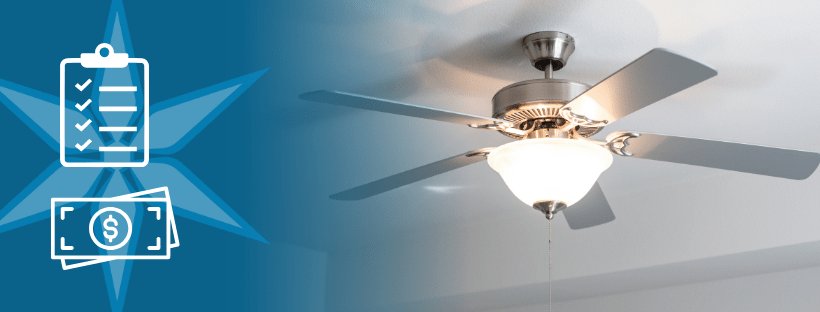
Ceiling fans might seem old-school, but they’re one of the most effective tools for boosting comfort while reducing your reliance on air conditioning.
Ceiling fans don’t actually lower the temperature of a room, but they do create a “wind chill effect.”
As air moves over your skin, it speeds up the evaporation of sweat, which makes you feel cooler even if the thermostat hasn’t budged.
This effect can make a room feel up to 4°F cooler, allowing you to set your thermostat three to four degrees higher without any noticeable difference in comfort.
For example, if you normally keep your home at 72°F, try 75–76°F with fans running in occupied rooms. You’ll reduce the demand on your AC and save money, without breaking a sweat.
NOTE: Always turn fans off when you leave a room. Unlike air conditioning, fans cool people, not spaces.
2. Use Window Treatments to Control Heat Gain
Natural light is great—until it starts heating your home like a greenhouse. Direct sunlight pouring in through windows can raise indoor temperatures significantly, especially during peak hours.
To fight back, optimize your window coverings based on the sun’s path:
- East-facing windows catch the morning sun. Keep these covered until midday to prevent an early spike in indoor heat.
- South-facing windows receive sunlight most of the day. Use light-colored shades or blinds that reflect rather than absorb heat.
- West-facing windows are the biggest culprits for heat gain in the afternoon. Thermal or blackout curtains can dramatically reduce this impact.

You don’t need to live in a cave all summer. The goal is to strategically block heat during the hottest times of day while still enjoying natural light when it won’t overheat your home.
Consider investing in insulated or reflective window treatments. They can reduce solar heat gain by up to 77%, according to the U.S. Department of Energy.
3. Use Exhaust Fans to Vent Hot Air and Humidity
Exhaust fans aren’t just for removing odors—they’re designed to expel hot, humid air from your home. In summer, this feature becomes even more valuable.
- Kitchen exhaust fans should be used anytime you cook, especially when using the oven or stovetop. These appliances introduce a surprising amount of heat and humidity into your home’s air, forcing your AC to work harder.
- Bathroom fans should be run during and after showers to remove steam and reduce moisture, which can make a home feel warmer.
Be consistent with your fan usage. Leaving hot, moist air trapped inside your home adds to your cooling load and increases the likelihood of mold and mildew growth.
Consider installing a whole-house ventilation fan in the attic. It pulls hot air out of your home in the evenings, replacing it with cooler outside air—ideal for Pennsylvania’s crisp summer nights.
4. Rethink Your Landscaping Strategy
Yes, your yard can actually affect your indoor comfort and cooling bills.
Trees, shrubs, and vines placed strategically around your home can create shade and block radiant heat from reaching your walls and windows. In fact, the U.S. Department of Energy reports that well-placed trees can reduce air conditioning needs by up to 30%.
Here are a few landscaping ideas with HVAC benefits in mind:
- Deciduous trees on the south and west sides of your home provide summer shade and drop their leaves in winter, allowing sunlight to warm your home when it’s needed.
- Vines or trellises can shade exterior walls and windows.
- Bushes and shrubs planted near your outdoor AC unit can offer shade and improve efficiency as long as they’re placed far enough away (at least 2–3 feet) to allow proper airflow.
If you’re planning your landscaping with long-term comfort in mind, focus on native species that thrive in Pennsylvania’s climate and require minimal maintenance.
5. Take Control with HVAC Zoning or Smart Thermostats
Not every part of your house needs the same level of cooling all day long.
Bedrooms, for example, are often unoccupied during the day, while living areas might need more cooling in the afternoon and evening.
Zoned cooling systems divide your home into sections, allowing you to control the temperature of each area independently. This means you’re not wasting energy cooling empty rooms, and it leads to big savings over time.
Even if you don’t have a full zoning system, you can simulate the effect by:
- Using smart thermostats that learn your schedule and adjust temperatures automatically.
- Closing vents in unused rooms (but be cautious—this can backfire if your system isn’t balanced properly. An HVAC technician can advise you).
For older homes in Pennsylvania without ductwork, consider ductless mini-split systems.
They allow for independent control of each zone, offer exceptional efficiency, and can be a game-changer for homes with additions or finished attics.
6. Time Heat-Generating Tasks Wisely
Appliances like ovens, dishwashers, and dryers release heat and moisture into the air—right when your AC is working to remove it.
- Shift laundry and dishwashing to the early morning or late evening when outdoor temps are lower.
- Air-dry dishes and laundry when possible.
- Avoid indoor cooking during peak heat hours. Grilling outside or using small appliances (like a microwave or slow cooker) can minimize indoor heat gain.
From an HVAC load calculation perspective, this reduces internal heat gains, a key variable in how hard your system must work.
7. Seal and Insulate Ducts in Attics or Crawl Spaces
In many Pennsylvania homes—especially older ones—supply ducts run through unconditioned spaces like attics or basements. If those ducts aren’t sealed and insulated, you’re losing cool air before it reaches your living areas.
- Air leaks in ductwork can account for 20–30% energy loss.
- Insulating ducts helps prevent heat transfer and improves airflow.
Professional Duct Sealing with mastic or foil-backed tape, plus R-8 insulation, can drastically improve system performance and comfort, especially during extreme heat.
Bonus Tip: Don’t Forget the Basics
While these “hidden” strategies offer real savings, they’re most effective when paired with routine HVAC maintenance.
A poorly tuned system, clogged filters, or low refrigerant can undermine even the best energy-saving habits.
That’s why spring is the perfect time to schedule an AC tune-up.
A professional inspection ensures your system is operating at peak efficiency before the summer heat sets in. During a tune-up, your HVAC technician will:
- Clean the condenser and evaporator coils
- Check refrigerant levels
- Test the airflow and electrical components
- Inspect and replace air filters
- Calibrate your thermostat
Even minor issues can result in energy waste and discomfort over time.
Regular maintenance not only saves you money on energy bills—it also extends the lifespan of your cooling equipment.
Don’t Sweat the Summer—Get Tuned-up in Spring
With the right strategies and expert maintenance, your AC doesn’t have to carry the whole load.
Is your system ready for the summer surge?
Contact us today to schedule your AC tune-up with our HVAC pros and enjoy reliable comfort, better efficiency, and peace of mind all season long.
FAQs
Can ceiling fans replace my air conditioner?
No. Fans don’t cool air, but they make you feel cooler by creating a wind-chill effect. Use them with your AC to raise the thermostat a few degrees and save energy.
Does running my bathroom or kitchen exhaust fan help cool the house?
Yes. Exhaust fans remove heat and humidity at the source, reducing your AC’s workload and keeping indoor air fresher and drier.
What temperature should I set my thermostat in summer?
Start at 78°F when home and awake. If using ceiling fans or a dehumidifier, you can often raise it by 2–4°F without losing comfort.
How often should I have my AC serviced?
At least once a year—ideally in spring. Regular tune-ups improve efficiency, prevent breakdowns, and extend your system’s lifespan.
Can landscaping really make my house cooler?
Yes. Shade trees and shrubs block sunlight, lower surrounding air temperatures, and reduce the heat your home absorbs, easing the load on your AC.