
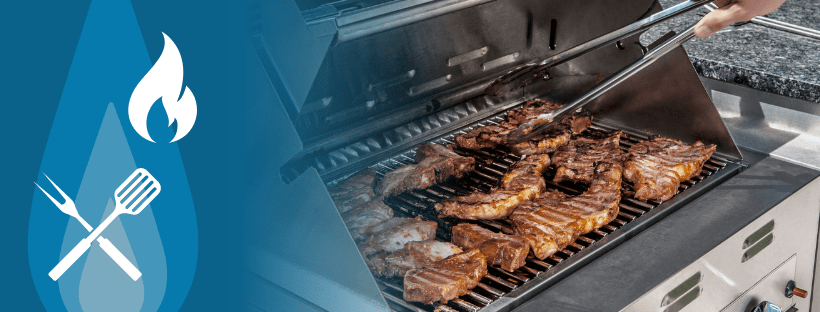
You could be hosting vibrant BBQ parties…
Relaxing by a glowing fire pit…
Or basking in the serene atmosphere of outdoor living.
The key to this transformation?
Propane.
Its versatility and convenience make it the ideal choice for Chester County homeowners in both rural and suburban areas seeking to enhance their outdoor spaces.
This guide will walk you through everything you need to know about using propane to elevate your outdoor living experience.
In this article, you will learn:
- Can I hook outdoor propane appliances up to my home’s main propane system?
- Outdoor Propane Appliances for Patios, Decks, and Pools
- Installation of Propane Appliances
- Safety Tips for Propane in Outdoor Living
- Maintenance Tips for Your Outdoor Propane Appliances
- Propane Supply and Delivery
Can I hook outdoor propane appliances up to my home’s main propane system?
Lots of homeowners ask us about hooking up their grills or other propane devices to their home’s main propane tank, but we recommend against it. If something happens to your gas line—whether it’s a pesky rodent or wear from being outside—your whole main system will be compromised.
Whether or not you can do this depends upon the size of your propane tank, the appliance being hooked up, where that appliance is located, and if the appliance is permanent or movable.
Most suppliers will recommend that you don’t hook your grill, and most other appliances, up to your home propane tank.
Feel free to contact Kauffman Gas if you’re unsure about hooking up your propane appliance to your home tank.
Outdoor Propane Appliances for Patios, Decks, and Pools
Transforming your outdoor spaces like patios, decks, and pool areas with propane appliances if you’re upgrading your house or deckscaping can significantly enhance your home’s ambiance and functionality.
If natural gas lines don’t run to your house, you probably have propane already.
Start by measuring your patio or deck area to ensure that the propane appliances you select fit comfortably and safely into the space without overcrowding or obstructing movement.
Selecting Suitable Appliances
Grills: A propane grill is perfect for patios and decks. It offers quick heat-up and precise temperature control, ideal for outdoor cooking. The different types include:
- Freestanding: The most popular type, available in various sizes and with different features like side burners or rotisserie kits.
- Built-in: These are integrated into outdoor kitchen setups, offering a more permanent and upscale cooking experience.
- Portable: Ideal for camping or tailgating, these grills are compact and easy to transport.

- Traditional Propane Lanterns: These lanterns provide a timeless look, reminiscent of old-fashioned gas lights, ideal for adding a touch of nostalgia to your outdoor space.
- Propane Tiki Torches: These torches add a tropical or beach-like feel to your outdoor area, perfect for themed parties or simply creating a relaxing resort vibe.
Patio Heaters: These heaters are excellent for extending the usability of your outdoor space into those cooler Pennsylvania fall months. They come in styles like:
- Freestanding: Tall, often pyramid-shaped, these heaters warm a sizable area and become a focal point in your outdoor decor.
- Tabletop: Smaller and designed to be placed on tables, these provide warmth for more intimate gatherings.
- Wall-Mounted: These are great for space-saving and often come with adjustable settings for directed heat.
- Fire Pit Tables: These combine the functionality of a table with a fire pit’s warmth, featuring a central flame surrounded by a wide ledge for holding drinks or small plates.
- Column Fire Pits: Tall and elegant, these are more like decorative pieces, suitable for smaller spaces.
- Bowl Fire Pits: These are more traditional in design, with a bowl-shaped fire area. They can be a central feature for gathering and socializing.
Propane Pool Heaters: Propane pool heaters are efficient for quickly raising the pool’s temperature. They are ideal for extending the swimming season, ensuring your pool is comfortably warm even during cooler days—something a community pool just can’t do.
Propane pool heaters use propane gas to heat water in a combustion chamber. This heated water is then circulated back into the pool, raising the water temperature. They are known for their rapid heating capability, making them ideal for pools that aren’t used daily.
Just make sure there’s a safe distance between the pool and any propane appliances. This safety gap prevents any water-related accidents and ensures the longevity of your propane equipment.
Advanced Features in Modern Propane Appliances
Many new propane appliances come with remote controls for convenient operation, allowing you to adjust settings from a distance—or even while you’re enjoying the weekend at Longwood Gardens.
Look for features like Bluetooth connectivity, which can enable control via smartphones or integrate with home automation systems.
Advanced models may include automatic shut-off systems, leak detection sensors, and child lock features, enhancing safety and ease of use.
Installation of Propane Appliances
Selecting the Right Spot for Your Propane Appliance
Maintain a minimum distance of 10 feet from your home and other structures. This reduces the risk of fire spread or damage in case of a propane leak.
Understanding Local Building Codes and Regulations
Propane installations must comply with the International Fuel Gas Code and local amendments.
A permit might be required for certain types of installations, especially large tanks or complex setups.
Preparing the Propane Tank Area
The tank should be placed on a flat, non-flammable surface, such as concrete or stone. Avoid soft ground where the tank could settle or shift.
Protect the tank from direct exposure to severe weather elements (including the hot sun on those beautiful, Chester County summer days), but ensure it’s not enclosed.
Utilize hoses and fittings that meet the National Fire Protection Association (NFPA) standards, ensuring they are appropriate for the specific propane appliance you’re installing.
Professional Installation and Compliance
Professional installation is recommended for safety and compliance for setups involving multiple appliances or specific requirements, such as integrated outdoor kitchens.
Safety Tips for Propane in Outdoor Living
Propane is known for its safety and versatility. However, make sure to:
- Always position propane appliances in open, well-ventilated areas. This reduces the risk of gas accumulation and ensures efficient functioning.
- Keep propane devices at a safe distance from flammable materials and enclosed spaces like garages or sheds.
- Regularly inspect hoses and connections for leaks. A simple way to do this is by applying a soapy water solution along the hose; bubbles indicate a leak.
- Get to know your propane appliances by thoroughly reading their operation manuals. This includes understanding specific safety features and operational guidelines.
- Always have an accessible fire extinguisher in your outdoor area. Choose an extinguisher rated for propane or gas fires.
- Educate your family about propane safety, especially if you have children.
- In case of a propane leak know the steps to take by shutting off the propane supply valve, evacuating the area, and calling for assistance.
Environmental Considerations
Propane emits fewer greenhouse gases than other fossil fuels, making it a more environmentally friendly outdoor heating and cooking option.
Propane does not pose a risk of soil or groundwater contamination. In the event of a leak, propane vaporizes and dissipates into the air, unlike oil or gasoline which can seep into the ground.
Appliances with ENERGY STAR ratings meet strict energy efficiency guidelines set by the U.S. Environmental Protection Agency.
Maintenance Tips for Your Outdoor Propane Appliances
Regular maintenance extends the life and efficiency of your propane appliances:
- Regularly examine the tank, hoses, and connectors for any signs of wear, corrosion, or damage.
- Ensure the area around the propane tank is free from debris, leaves, and flammable materials.
- Schedule a yearly inspection with a professional, to ensure everything is in top condition and adheres to safety standards.
- Regular cleaning prevents dirt and grime build-up, which can affect appliance efficiency and safety.
- Notice changes in performance, such as uneven flames, strange noises, or difficulty lighting. These can be signs of a maintenance issue.
- Maintain a file of all warranties and service agreements for your propane appliances.
Propane Supply and Delivery
Consistent propane supply is essential for uninterrupted enjoyment of your outdoor space.
Understand your usage patterns to schedule timely deliveries. Usage often increases in certain seasons, like summer for grills or winter for heaters—everyone wants to be enjoying the nice Chester County weather while they can get it (and bundling up for the winter)!
Most suppliers offer flexible delivery options, from regular schedules to on-demand services. Some suppliers even offer remote monitoring services for hassle-free refill scheduling.
Kauffman Gas is Your Partner in Outdoor Living
As you consider enhancing your outdoor living experience with propane, remember the importance of safety, maintenance, and choosing the right supplier.
Kauffman Gas is committed to providing you with reliable, high-quality propane services.
From installation to regular deliveries, we ensure your propane needs are met with professionalism and care.
With our expertise in propane and HVAC solutions, we aim to be your trusted partner in creating the perfect outdoor oasis.
Ready to transform your outdoor space with propane?
Contact Kauffman Gas today.
FAQs
Q: How long will a 20 gallon propane tank last on a fire pit?
A: A 20 gallon propane tank can last between 18 to 20 hours when used on a fire pit, depending on the fire pit’s BTU rating and how high the flame is set during use.
Q: What is the best outdoor propane fire pit?
A: The best outdoor propane fire pit is subjective and depends on personal preferences. Factors to consider include design, BTU output, size, and features like electronic ignition and safety certifications. Popular brands often have high customer satisfaction ratings.
Q: Do propane fire pits use a lot of propane?
A: Propane fire pits do not necessarily use a lot of propane. Their consumption is efficient, especially compared to other heating methods. Usage depends on the BTU rating and how often and high you run the fire pit.
Q: How long will a 20 lb propane tank last at 50 000 BTU?
A: A 20 lb propane tank typically lasts around 7 to 9 hours at a continuous burn rate of 50,000 BTU. The exact duration can vary based on the efficiency of your fire pit and external conditions.