
What You’ll Learn
Why are ductless mini-split systems becoming so popular in Pennsylvania homes?
Ductless mini-split systems are growing in popularity across Pennsylvania because they provide energy-efficient heating and cooling, flexible zoned comfort, and easy installation without ductwork. They’re especially useful for older homes, additions, finished basements, and spaces where traditional HVAC systems struggle to maintain consistent temperatures.
In this blog:
Your living room is chilly.
Your kitchen is the perfect cool.
Your guest bedroom? Sweltering.
Your AC just can’t reach.
When it comes to heating and cooling your Pennsylvania home, comfort, efficiency, and flexibility matter.
That’s why more homeowners across the Keystone State are turning to ductless mini-split systems as an alternative—or supplement—to traditional central HVAC systems.
Whether you live in an older home without ductwork, you’re planning an addition, or you’re simply looking for a more energy-efficient way to stay comfortable year-round, a ductless mini-split could be the perfect solution.
What Is a Ductless Mini-Split System?
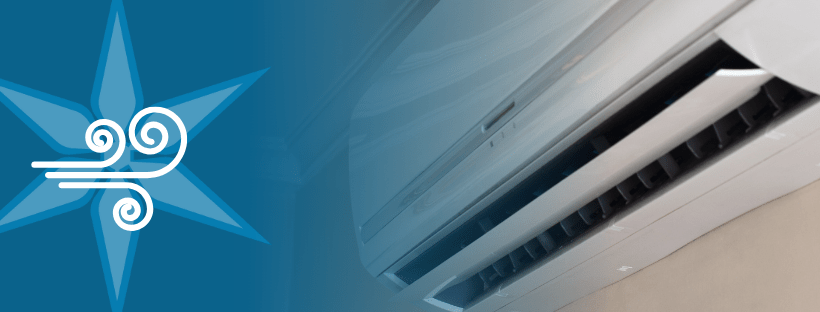
A ductless mini-split system is a type of HVAC system that provides both heating and cooling without the need for ductwork. It consists of two main components:
- An outdoor condenser/compressor unit
- One or more indoor air-handling units, typically mounted on a wall or ceiling
These two components are connected by a small conduit that houses the refrigerant line, power cable, and drain line. The indoor units blow warm or cool conditioned air directly into the room, making ducts unnecessary.

Because ductless mini-splits don’t rely on a central air handler or ductwork to distribute air, they’re especially useful in homes where installing ducts is difficult, costly, or disruptive.
Key Benefits of Ductless Mini-Splits for Pennsylvania Homeowners
Zoned Comfort: Customized Heating and Cooling
One of the biggest advantages of ductless mini-split systems is zoned temperature control.
Each indoor unit’s temperature settings operate independently, even if there is only one outdoor unit, allowing you to heat or cool specific rooms based on your needs.
Want the living room cozy while keeping the guest bedroom cooler? No problem. Zoned comfort means no more fighting over the thermostat if you only have one for a two-story home, and no wasted energy heating or cooling unused rooms.
The game you play with opening and closing vents to heat and cool your main rooms? It’s over.
This is particularly helpful in Pennsylvania homes with multiple stories, finished basements, or home offices—spaces that aren’t always evenly served by central HVAC systems.
Energy Efficiency: Save More, Waste Less
Ductless mini-splits are among the most energy-efficient HVAC systems on the market. Traditional ducted systems can lose up to 30% of their energy through leaky or poorly insulated ducts, especially in older homes.
Ductless systems eliminate this loss entirely.
Plus, many models are ENERGY STAR® certified and use inverter technology, which allows the system to adjust output to maintain consistent indoor temperatures without cycling on and off constantly.
That means lower utility bills and reduced environmental impact—both big wins for Pennsylvania homeowners looking to save.
Easy Installation: Less Disruption, More Comfort
Ductless mini-split systems require only a small hole in the wall for the conduit.
A professional team can often complete the installation in a single day, depending on the number of indoor units needed.
That makes mini-splits an ideal option for home renovations or quick upgrades that don’t involve tearing into walls or ceilings.
Installing a new central HVAC system—especially in homes without existing ductwork—can be invasive, expensive, and time-consuming.
Versatility: One System for Year-Round Comfort
In Pennsylvania, where we experience hot summers and cold winters, you want a system that can do both—heat and cool. Many ductless mini-splits are heat pumps, capable of delivering reliable warmth in the winter and crisp, cool air in the summer.
This dual function eliminates the need for separate systems like a furnace and an air conditioner, simplifying maintenance and lowering your long-term costs.
Improved Indoor Air Quality (IAQ)
Unlike ducted systems, which can accumulate and circulate dust, pollen, mold spores, and other allergens, ductless mini-splits offer cleaner air distribution.
Many systems come with advanced filtration features that help trap airborne contaminants, improving overall indoor air quality.
This is especially important for homeowners in areas like Chester, Montgomery, or Berks County, where seasonal allergies are common.
Situations Where Ductless Mini-Splits Outperform Central HVAC in Pennsylvania
While ductless mini-splits aren’t always a complete replacement for a full central air system, there are specific scenarios where they clearly shine in Pennsylvania homes:
Home Additions or In-Law Suites
If you currently have a ducted AC system, running new ductwork to a recently added sunroom, garage conversion, or bonus space can be costly and inefficient.
If you add too much space for your existing outdoor condenser unit, you may even need to upgrade or settle for low air output in the new space.
Adding a ductless mini split in addition to your ducted AC system gives you independent climate control in the new space without touching your existing system.
Converted Attics and Basements
These areas are often hard to heat or cool with central HVAC due to poor duct reach or insulation.
To fix this with a ductwork system, you have to extend the system and maybe even upgrade your outdoor unit for the increase in square footage.
A mini-split solves this problem by delivering direct, controlled air exactly where it’s needed.
Historic or Older Homes Without Ductwork
Pennsylvania is full of charming historic homes that were built long before central HVAC became common.
Installing ducts in these homes can damage original woodwork or reduce ceiling height. Mini-splits provide modern comfort without compromising your home’s character.
Replacing Inefficient Window AC Units
If you rely on window units in the summer, you already know the drawbacks: noise, poor efficiency, blocked windows, and security concerns (not to mention the pain of installing the heavy box every summer and uninstalling it every winter).
Mini-splits offer quiet, powerful cooling with significantly better energy performance, and they don’t block your view.
Supplementing an Existing HVAC System
Sometimes your central HVAC just doesn’t reach every corner.
Your kitchen and living room may be perfect, but your guest bedroom feels like it’s in a whole different hemisphere.
Whether it’s a drafty upstairs bedroom or a finished basement that never feels quite right, a ductless unit can supplement your existing system, providing consistent temperatures without upgrading your whole house.
Situations Where Ductless Mini-Splits Outperform Central HVAC in Pennsylvania
While ductless mini-splits aren’t always a complete replacement for a full central air system, there are specific scenarios where they clearly shine in Pennsylvania homes:
Home Additions or In-Law Suites
Running new ductwork to a recently added sunroom, garage conversion, or bonus space can be costly and inefficient.
If you add too much space for your existing outdoor condenser unit, you may even need to upgrade or settle for low air output in the new space.
A ductless mini-split gives you independent climate control in the new space without touching your existing system.
Converted Attics and Basements
These areas are often hard to heat or cool with central HVAC due to poor duct reach or insulation.
To fix this with a ductwork system, you have to extend the system and maybe even upgrade your outdoor unit for the increase in square footage.
A mini-split solves this problem by delivering direct, controlled air exactly where it’s needed.
Historic or Older Homes Without Ductwork
Pennsylvania is full of charming historic homes that were built long before central HVAC became common.
Installing ducts in these homes can damage original woodwork or reduce ceiling height. Mini-splits provide modern comfort without compromising your home’s character.
Replacing Inefficient Window AC Units
If you rely on window units in the summer, you already know the drawbacks: noise, poor efficiency, blocked windows, and security concerns (not to mention the pain of installing the heavy box every summer and uninstalling it every winter).
Mini-splits offer quiet, powerful cooling with significantly better energy performance, and they don’t block your view.
Supplementing an Existing HVAC System
Sometimes your central HVAC just doesn’t reach every corner.
Your kitchen and living room may be perfect, but your guest bedroom feels like it’s in a whole different hemisphere.
Whether it’s a drafty upstairs bedroom or a finished basement that never feels quite right, a ductless unit can supplement your existing system, providing consistent temperatures without upgrading your whole house.
Converted Attics and Basements
These areas are often hard to heat or cool with central HVAC due to poor duct reach or insulation.
To fix this with a ductwork system, you have to extend the system and maybe even upgrade your outdoor unit for the increase in square footage.
A mini-split solves this problem by delivering direct, controlled air exactly where it’s needed.
Historic or Older Homes Without Ductwork
Pennsylvania is full of charming historic homes that were built long before central HVAC became common.
Installing ducts in these homes can damage original woodwork or reduce ceiling height. Mini-splits provide modern comfort without compromising your home’s character.
Replacing Inefficient Window AC Units
If you rely on window units in the summer, you already know the drawbacks: noise, poor efficiency, blocked windows, and security concerns (not to mention the pain of installing the heavy box every summer and uninstalling it every winter).
Mini-splits offer quiet, powerful cooling with significantly better energy performance, and they don’t block your view.
Supplementing an Existing HVAC System
Sometimes your central HVAC just doesn’t reach every corner.
Your kitchen and living room may be perfect, but your guest bedroom feels like it’s in a whole different hemisphere.
Whether it’s a drafty upstairs bedroom or a finished basement that never feels quite right, a ductless unit can supplement your existing system, providing consistent temperatures without upgrading your whole house.
Ductless vs. Central Air: What to Consider
To be clear, ductless mini-splits aren’t always the best choice for every home.
If your home already has well-functioning ductwork and you’re happy with whole-house temperature control, a central air system may still be the most cost-effective solution.
- Flexibility
- Zoning
- Energy savings
- Fast installation
- Targeted heating/cooling
…ductless mini-splits offer a powerful alternative that’s well worth considering, especially for specific rooms or projects.
Upgrade Your Cool
If you’re considering a ductless mini-split system for your home in Chester County, Lancaster County, or beyond, the experts at Kauffman Gas are here to help.
We’ll walk you through your options, assess your space, and install a high-efficiency system tailored to your comfort goals.
Don’t wait to improve your home’s comfort, energy efficiency, and air quality.
Contact us today to schedule your ductless mini-split installation in Pennsylvania—and experience the difference for yourself.
FAQs
What is the cost of installing a ductless mini-split in Pennsylvania?
Prices vary by home size and number of zones, but a single-zone system typically starts around $3,500–$5,000 installed.
Do mini-splits work in cold Pennsylvania winters?
Yes—many ductless systems are designed to heat effectively even when outdoor temps drop below 0°F.
How long does it take to install a ductless mini-split?
Most installations are completed in a day or two, depending on the number of indoor units.
Can I use a mini-split to cool just one room?
Absolutely. Single-zone systems are perfect for targeted spaces like bedrooms, home offices, or additions.
Will a ductless system raise my home’s resale value?
Yes—buyers increasingly value energy-efficient, modern HVAC systems, especially in homes without existing ductwork.