What You’ll Learn
When should I replace or upgrade my AC system?
You should look into upgrading or replacing your AC system if it’s older than 15 years, it’s the wrong size for your home, you have to get it repaired every season, or the repair cost exceeds 50% of the cost to replace it.
In this post:
Jeff’s bucket kept leaking, so he replaced his garden hose last summer.
Of course, the small hole in the bucket didn’t go away, and the water still leaked.
Scale this issue up, and it’s the same problem Jeff is facing in his overheating house this summer.
The AC is clocking into work, but he’s still sweating in his kitchen.
His subpar insulation is the hole in the bucket he’s looking for.
Understanding the Building Envelope
Think of your home as a giant, physical container for cool air. Your air conditioner is the pump that keeps that container cold.
If your home has leaks—gaps around windows, poor insulation in the attic, or leaky ductwork—the container will never be filled.
No matter how powerful your pump (AC unit) is, it will struggle to keep up because the cool air is escaping, and the hot, humid Pennsylvania air is rushing in to replace it.

This is what we call the building envelope. It encompasses everything that separates the inside from the outside.
When your insulation is thin or missing, heat physically migrates into your living space through the attic, the walls, and the floor.
Why AC Upgrades Can Disappoint
If you replace your AC system while ignoring a poor building envelope, you are essentially masking the symptoms rather than curing the illness.
Here is why this often leads to disappointment:
The “Short-Cycling” Trap
If you install a massive, high-efficiency AC unit in a house that leaks air, the system will cool the air too quickly, trigger the thermostat to shut off, and then turn back on minutes later.
This is called short-cycling. It prevents the AC from running long enough to pull humidity out of the air. You’ll be cold, but you’ll feel clammy and uncomfortable.
Persistent Uneven Temperatures
If the heat is pouring in through your attic because of poor insulation, no amount of AC power will fix a hot second-floor bedroom.
The system might run constantly, but the heat gain will always outpace the cooling output.
Higher Energy Bills
Even if a new unit is more efficient, it will still work overtime to fight against the heat flooding into your home.
You’ll be paying for the latest technology to do work that could have been prevented by a $500 insulation upgrade.
Insulation: The Foundational Fix
In many cases, the most effective cooling upgrade you can make isn’t an appliance—it’s materials.
Improving your insulation and air sealing is often the foundational step that makes everything else work better.
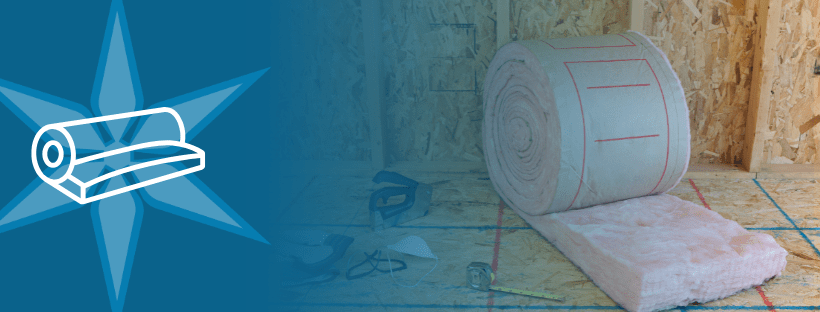
Insulation improvements are more than just fiberglass in an attic:
- Air Sealing: Blocking the tiny gaps where electrical wires, pipes, and vents enter your attic. This stops the “stack effect” where hot air is sucked into the home.
- Attic Insulation: Creating a thermal blanket that prevents the sun from baking your top floor.
- Duct Sealing: Ensuring that the air your AC works hard to chill actually makes it to your vents rather than leaking into your hot crawlspace or attic.
When you address these, you reduce the load on your system.
This allows your existing AC to run more efficiently, cycle correctly, and actually reach the temperature you set on the thermostat without running 24/7.
When It’s Actually Time to Upgrade the AC
Insulation isn’t a magic wand. There are absolutely times when your AC system is the true culprit, and upgrading it is the only logical move.
As a homeowner, you should prioritize an AC replacement if:
The System is Aging (15+ Years)
If your unit is over 15 years old, it likely uses the old refrigerant, which is no longer produced and is expensive to repair.
Furthermore, the compressor is likely reaching the end of its mechanical life.
Frequent Breakdown Cycle
If you find yourself calling for repairs every single season, you are essentially throwing money away.
At a certain point, the cost of maintenance and minor repairs outweighs the cost of a monthly payment on a new, high-efficiency, warranted system.
Improper Sizing
Many homes have AC units that were sized incorrectly when they were installed.
If your unit is too small, it will never cool your home, regardless of how much insulation you have. If it’s too large, it will blast you with cold air and shut off, leaving you humid.
Repair Costs Exceed 50% of Replacement Value
This is a simple rule of thumb. If you are looking at a repair bill that is more than half the cost of a new system, it’s time to upgrade.
Find Your Perfect Solution
Before you dip into savings, look at the big picture.
Ask yourself: Is my home drafty? Do I have specific hot rooms? Has my AC bill gone up significantly?
If the answer is yes, you may need an assessment to determine if your AC is actually the culprit, or if your insulation is to blame.
At Kauffman Gas, we’re ready to help keep you cool.
Contact us for an HVAC inspection.
FAQs
How can I tell if my insulation is the problem?
On a hot day, go up to your attic. Is it significantly hotter than the rest of the house? If you can see the joists (the wooden beams) in your attic floor because the insulation is so low, you definitely need an upgrade.
Another sign is uneven room temperatures—if your upstairs is 10 degrees hotter than the downstairs, insulation is the primary suspect.
If I upgrade my insulation, can I use a smaller AC unit later?
Yes, absolutely. In fact, if you improve your home’s insulation first, a professional technician can perform a calculation for the exact cooling demand of your home.
By reducing the heat gain through better insulation, you often find that you can install a smaller, less expensive, and more efficient AC unit than you originally thought.
What is the ROI on insulation versus an AC upgrade?
While a new AC system provides immediate relief and energy savings, insulation improvements are permanent. Insulation doesn’t have moving parts, it doesn’t break, and it doesn’t require annual maintenance.
The ROI on insulation is typically realized in comfort, reduced energy usage, and the fact that it never needs to be repaired or replaced like a mechanical system.