What You’ll Learn
Is it worth upgrading to a newer HVAC system, or should I wait until mine breaks?
Upgrading to a modern HVAC system gives you better comfort, lower energy bills, quieter operation, and more control through smart features, especially in Pennsylvania’s extreme seasons.
If your system is older or struggling, replacing it before it fails helps you avoid emergency costs while taking advantage of improved efficiency, reliability, and future-ready technology.
In this blog:
This blog was updated May 2026.
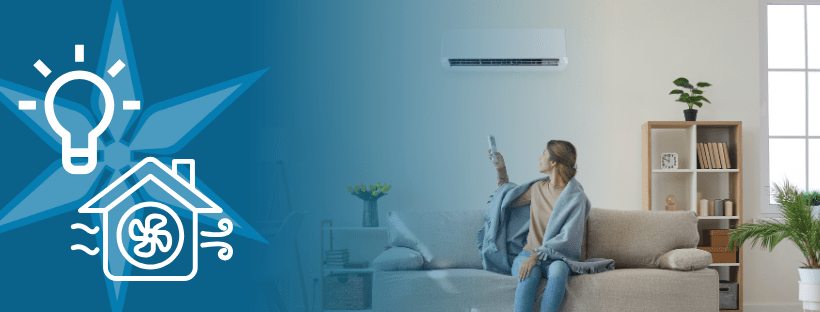
Your home is a bit chilly, so you get up from the couch, walk over, and hit a few buttons on the thermostat.
Congratulations, you’re 10 years behind the technology curve.
HVAC technology has evolved dramatically in the past decade, and today’s systems are light-years ahead of what most Pennsylvania homeowners currently have installed.
From smarter thermostats to whisper-quiet compressors, modern heating and cooling systems aren’t just about comfort—they’re about control, efficiency, and peace of mind.
These aren’t just flashy gadgets.
They’re serious advancements designed to make your home more comfortable, energy-efficient, and environmentally friendly than ever before.
Whether you live in Chester Springs, West Chester, or a historic home in Kennett Square, this guide will walk you through the most important new HVAC technologies and how they can make a real difference in your daily life.
HVAC Is Always Evolving—But the Latest Leap Is Huge
The heating and cooling industry is always making small tweaks, but the latest generation of systems (2015 and beyond) represents a major leap forward.
Driven by rising energy standards, homeowner demand, and new environmental regulations, manufacturers have introduced innovations that improve how your system operates—inside and out.
Let’s look at the most transformative technologies that are changing HVAC for the better.
Variable-Speed Compressors & Motors: Precision, Comfort, and Quiet
If you’ve ever noticed your old furnace or AC unit turning on with a loud “clunk” and running at full blast before shutting off entirely, you’ve experienced single-stage HVAC.
Today’s top systems use variable-speed compressors and motors, which can ramp up or down depending on the exact heating or cooling need. Rather than running at 100% or 0%, they operate in small increments—sometimes even below 40% capacity—for:
- Better temperature control: No more hot and cold swings. The system makes subtle adjustments to keep your home steady and comfortable.
- Quieter operation: Because the system rarely runs at full speed, the days of loud fan noises and disruptive cycling are gone.
- Energy savings: Variable-speed systems are incredibly efficient, often reaching SEER2 ratings in the mid-20s and HSPF2 ratings above 10. That can translate to serious utility savings in both summer and winter.

For Pennsylvania homeowners who face both frigid winters and humid summers, this year-round performance boost can make a noticeable difference.
Communicating Systems: Let Your Equipment “Talk” to Each Other
Modern HVAC systems don’t just turn on and off—they talk to each other.
Communicating systems link your thermostat, furnace, air conditioner, and heat pump so they can share data in real-time. This allows them to work together more intelligently.
The thermostat can tell the furnace how hard it needs to work based on current humidity and temperature.
If there’s a problem, the system can often self-diagnose and provide error codes before you even call your technician.
These systems learn your preferences over time, adjusting airflow, fan speed, and output for maximum comfort and efficiency.
It’s not unlike a car’s onboard computer—except it’s managing your entire indoor climate.
New Refrigerants: Lower Environmental Impact with R-454B
For years, HVAC systems used R-410A refrigerant—a significant improvement over its ozone-depleting predecessors. But the industry is now transitioning to R-454B, a refrigerant with a much lower Global Warming Potential (GWP).
Why does this matter to you?
- Lower environmental footprint: R-454B has around 78% less GWP than R-410A.
- Regulatory compliance: Older refrigerants are being phased out. Choosing a system that uses R-454B ensures your HVAC investment is future-proof.
- Better performance: Many systems designed around R-454B offer improved energy efficiency and reliability.
If you’re upgrading, look for a system that uses or is compatible with R-454B—especially if you care about reducing your home’s carbon footprint.
Smart Vents & Motorized Dampers: Zone Control Like Never Before
Traditional HVAC systems treat your home as one big zone.
But what if you want different temperatures upstairs vs. downstairs? Or need more airflow in your sunroom but less in a guest bedroom?
Enter smart vents and motorized dampers, which allow granular control over airflow and:
- Use sensors to redirect heated or cooled air to the rooms that need it most.
- Balance airflow automatically based on occupancy, temperature, or time of day.
- Avoid wasting energy heating or cooling unused areas of the home.
For older homes in Pennsylvania with tricky layouts or partial renovations, this kind of flexible zoning can be a game-changer.
Smart Home Integration: HVAC That Fits Your Lifestyle
Modern HVAC isn’t just “smarter”—it’s part of your whole smart home.
The newest systems can be fully integrated with platforms like Amazon Alexa, Google Home, Apple HomeKit, and dedicated apps.
Most include smart diagnostics and self-monitoring that will let you know if something is wrong with the system.
You can:
- Adjust your thermostat with your voice
- Control humidity, airflow, and scheduling from your phone
- Receive alerts if your system is running inefficiently or needs a filter change
- Connect with lighting, shades, and even security systems for full automation
Whether you’re away at work, on vacation, or just upstairs in bed, these controls give you complete command over your home climate.
Why These Upgrades Matter for Pennsylvania Homeowners
You might be wondering: Is all this new tech really worth the investment? In short: yes—especially here in Pennsylvania.
Lower Energy Bills
With higher SEER2 and HSPF2 ratings, smart zoning, and variable-speed motors, you’ll consume less energy for the same (or better) comfort.
Better Comfort All Year
Our climate ranges from muggy summers to frigid winters. Advanced systems handle both extremes with more accuracy and less noise.
More Reliable Performance
Smart diagnostics and self-monitoring reduce breakdowns and make service calls faster and easier.
Future-Proof Your Home
With refrigerant regulations changing and energy standards tightening, older systems will only get more costly and harder to service.
Boost Resale Value
A high-efficiency HVAC system with smart features is a major selling point for homebuyers—especially in competitive suburban markets like Downingtown, West Grove, and Landenberg.
Don’t Wait Until It Breaks
If your HVAC system is nearing the end of its life, the smart move is to upgrade before it fails.
You’ll have more time to choose the right solution, schedule your installation, and avoid the inconvenience (and cost) of a mid-season emergency.
Many local Pennsylvania HVAC contractors now offer in-home consultations, energy audits, and financing options to make the upgrade process easier.
And with rebates available for high-efficiency equipment, you may qualify for significant savings just by choosing a system that meets current standards.
Comfort Has Come a Long Way
Today’s HVAC technology isn’t about gimmicks—it’s about putting you in control of your home’s comfort, energy use, and air quality.
Whether you want to shrink your utility bills, prepare for the future, or just enjoy a quieter, more comfortable home, there’s never been a better time to upgrade.
If you’re still running a system that came with the house, it might be time to see what modern HVAC can do for you.
Get the Latest Cool
If your HVAC system is outdated or struggling to keep up, it’s time to explore smarter, more efficient options.
Kauffman Gas offers expert HVAC upgrades and installations designed for Pennsylvania homes just like yours.
We’ll help you choose a system that fits your space, budget, and energy goals—with dependable service every step of the way.
Schedule your HVAC upgrade consultation today.
Discover how comfort, efficiency, and control can finally come together—right at home.
FAQs
What is the best HVAC system for Pennsylvania’s climate?
A variable-speed heat pump or hybrid system is ideal for Pennsylvania’s four-season climate. These systems deliver precise comfort in hot, humid summers and cold winters, while also offering high efficiency.
Communicating systems and smart thermostats help fine-tune performance for your specific home layout and usage habits.
Are smart HVAC systems worth the investment?
Yes—smart HVAC systems improve comfort, reduce energy bills, and make troubleshooting easier.
Over time, the efficiency gains and reduced maintenance can offset the upfront cost.
Integrated controls and zone management also allow for personalized comfort room by room, which is especially valuable in larger or older Pennsylvania homes.
What are SEER2 and HSPF2, and why do they matter?
SEER2 and HSPF2 are updated energy efficiency ratings for HVAC systems.
SEER2 measures cooling efficiency, and HSPF2 measures heating performance. Higher ratings mean greater energy savings.
These newer standards account for real-world conditions, helping Pennsylvania homeowners compare systems more accurately and qualify for rebates or incentives.
Can I integrate my HVAC system with Alexa or Google Home?
Absolutely. Most modern HVAC systems can connect with smart home platforms like Alexa, Google Home, or Apple HomeKit.
With voice or app control, you can adjust temperature settings, set schedules, or receive maintenance alerts, making your comfort system more responsive and convenient than ever before.
When should I replace my old HVAC system?
If your HVAC system is more than 10–15 years old, needs frequent repairs, or struggles to keep your home comfortable, it’s likely time to upgrade.
Newer systems offer advanced features like variable-speed motors, smart zoning, and high-efficiency performance that can significantly lower your utility bills and improve daily comfort.