What You’ll Learn
Why are Pennsylvania builders choosing propane over electric?
In a new construction or renovation, propane offers faster cooking, more efficient water heating, and reliable backup power during outages. With propane, homeowners enjoy convenience, energy savings, and peace of mind, making it a popular choice for PA homes.
In this blog:
This blog was updated April 2026.
You’re building your dream home in Pennsylvania.
You’ve picked a beautifully wooded lot and finalized the floor plan.
Now, your builder is asking you about appliances.
Do you want electric or outfitted for propane, like the rest of your property?
You’re at a loss, so you ask them what they recommend since they have experience on their side.
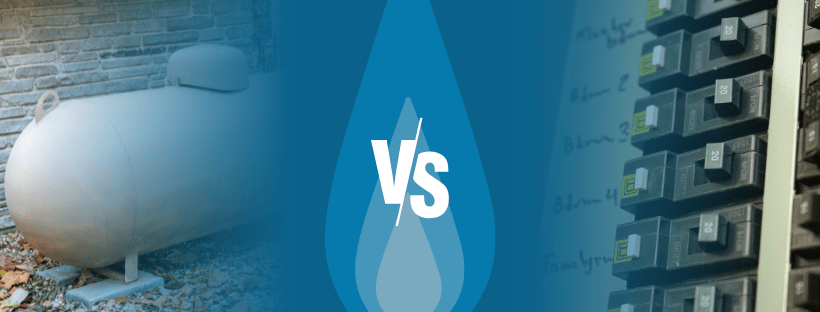
Propane vs. Electric: A Quick Comparison
| Feature | Propane | Electric |
|---|---|---|
| Cooking | Instant heat, precise control, faster cooking | Slower heat, less precise, can be uneven |
| Water Heating | Heats quickly, consistent supply, tankless options | Slower, may struggle with simultaneous demand |
| Backup Power | Can run generators and essential appliances | Not available |
| Efficiency | Highly efficient for heating and appliances | Efficiency depends on the grid source; it may require larger electric systems |
| Carbon Footprint | Lower emissions than grid electricity from fossil fuels | Varies based on electricity generation mix |
Why Builders Choose Propane for New Construction in Pennsylvania
When building a new home or renovating in Pennsylvania, one of the most important decisions homeowners face is choosing the type of energy that will power their appliances.
Builders in Pennsylvania are focused on efficiency, cost-effectiveness, and long-term value for their clients.
While electric homes are common, many builders and contractors across Pennsylvania are increasingly recommending propane because it fits all three criteria.
Here’s why:
1. Energy Efficiency and Performance
Propane appliances are known for delivering superior performance compared to many electric models.
For example, propane stoves heat up faster and respond more precisely, making cooking quicker and more enjoyable. For homeowners in West Chester or Downingtown, that means meals are ready on time and energy is used more efficiently.
- Standard electric stoves often take longer to reach high temperatures and can have uneven heating.
- Propane stoves offer instant flame control, which not only improves cooking speed but also reduces energy waste.
Builders recognize this advantage because it adds tangible value to a home, making it more appealing to buyers or for future resale.

2. Flexibility in Home Design
When building in areas like Chadds Ford or Honey Brook, contractors often face older lots or properties without fully modern electrical infrastructure.
Although you will need to buy your own tank or rent one from your supplier, propane provides flexibility by powering appliances independently of the electric grid.
Homeowners aren’t restricted by breaker limitations or costly upgrades to electrical panels.
Additionally, propane can power multiple high-demand appliances—like ovens, dryers, and water heaters—without requiring oversized electrical systems.
This reduces construction costs while maintaining high performance.
3. Reliability During Power Outages
Pennsylvania winters can be harsh, and power outages are not uncommon, particularly during ice storms or heavy snow events.
Summers are even more intense with heavy summer storms knocking down power lines and causing extended outages.
- Homes built with propane can operate essential appliances even when the grid goes down. A propane-powered water heater, furnace, or stove will continue working without interruption. All the propane-powered backup generator would have to power is light, the fridge, and the blower motor for the furnace.
- Electric-only homes, on the other hand, become completely dependent on the grid. Even short outages can disrupt daily life, especially in remote or semi-rural communities in West Grove or Landenberg.
Propane Appliances Popular Among PA Builders
Builders in Pennsylvania often equip new homes with propane-powered appliances that combine convenience with efficiency. Common choices include:
- Propane Stoves and Ovens: Fast heating, precise control, and lower energy use.
- Propane Water Heaters: Faster recovery and higher efficiency compared to electric.
- Propane Furnaces: Efficient heating during cold PA winters, often cheaper to operate than electric systems.
- Propane Generators: Keep homes running during blackouts.
- Propane Fireplaces: Stylish, energy-efficient heating with the ambiance of real flame.
Choosing the Right Energy for Your PA Home
Pennsylvania homeowners have unique energy needs based on climate, geography, and local infrastructure.
In areas like West Chester, Coatesville, and Downingtown, older electric systems can make propane a more efficient and reliable option.
Rural communities such as Honey Brook, Landenberg, or Chester Springs may also have limited access to high-capacity electric service, further favoring propane for new construction.
Even in Delaware towns like Bear, Glasgow, Newark, or Wilmington, propane provides reliable backup power during regional storms.
Builders in these areas understand that homeowners value both comfort and peace of mind, which is why propane is increasingly specified for new homes and renovations.
When planning your Pennsylvania home, it’s important to weigh your options carefully.
Power Your Home with Propane
Propane is no longer just a rural or “off-grid” solution; it’s a smart, practical choice for new construction and renovations across Pennsylvania.
If you’re moving to the area, we’re here for your propane needs.
Become a Kauffman Gas customer and never get left out in the cold.
FAQs
Is propane more expensive than electricity for a new home in Pennsylvania?
Propane prices can fluctuate, but many PA homeowners find propane more cost-effective for heating, cooking, and water heating due to its efficiency.
Propane appliances heat faster and use less energy, often offsetting the higher fuel cost compared to electricity.
Can I run a propane generator during a power outage?
Yes. Propane-powered generators provide reliable backup electricity during outages.
Unlike electric-only homes, propane allows essential appliances—heating, refrigeration, and lighting—to keep running, which is especially valuable in PA storm seasons in areas like West Chester, Downingtown, or Newark, DE.
Are propane appliances safe for indoor use?
Absolutely. Modern propane appliances are designed with safety in mind.
Proper installation, regular maintenance, and carbon monoxide detectors ensure safe operation.
Builders in Pennsylvania follow strict codes, making propane a safe choice for kitchens, water heaters, and furnaces in homes across Chester County and nearby areas.
How does propane water heating compare to electric water heaters?
Propane water heaters heat faster and provide more consistent hot water than electric models.
Tankless propane units offer on-demand hot water, reducing energy waste and ensuring households in areas like Kennett Square or Chadds Ford never run out, even during high-demand periods.
Can I combine propane and electric appliances in the same home?
Yes. Many PA homeowners choose a hybrid approach—propane for cooking, heating, and backup power, and electricity for lighting, small appliances, or low-demand devices.
This combination maximizes efficiency, comfort, and flexibility while keeping construction and utility costs reasonable.