
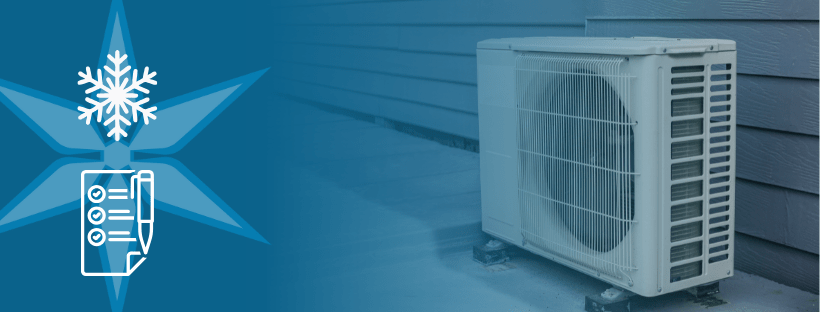
What You’ll Learn
What steps do I take to prepare my AC unit for winter?
Clean the outdoor unit, inspect it for damage, cover the top, and check the unit’s surroundings.
While these steps are important, the best thing you can do is schedule a professional winterization service from an HVAC company.
In this blog:
This blog was updated April 2026.
Leaves crunch under your feet as you walk up your driveway into your warm house.
The chill of fall is officially here, and your AC has clocked out for the season.
You know you need to check in on your furnace before winter rolls in.
But it’s also important to make sure your AC unit is fully ready for winter, too.
Keep reading to learn what you can do to prepare your AC unit for a Pennsylvania winter.
Why It’s Important to Prepare Your AC Unit for Winter
Your air conditioner’s outdoor unit (the condenser) is built to withstand rain, wind, and varying temperatures, but Pennsylvania winters can be particularly harsh.
Snow, ice, and debris can build up on the unit, leading to corrosion, freezing damage, or clogged components.
Winterizing your AC:
- Protects the coils and fan blades from ice and moisture buildup.
- Prevents small critters from nesting inside during the cold months.
- Keeps the system clean and free from rust or corrosion.
- Helps your unit start smoothly in the spring.
In short, a few hours of attention now can prevent days of frustration (and repair costs) later.
1. Turn Off the Power to Your AC Unit
Make sure your air conditioner is completely powered off.
This is a crucial first step to protect the system from accidental activation during a warm winter day.
Look for the electrical disconnect box mounted near your outdoor unit—it’s usually a small, gray panel.
Open the lid and either pull out the disconnect handle or flip the switch to “off.”
Turning off the power prevents the condenser from kicking on while it’s covered in ice or snow, which could seriously damage the compressor.
2. Clean the Outdoor Unit
Cleaning the unit before winter helps keep dirt, leaves, and debris from causing damage or attracting pests.
Here’s how to do it safely:
- Clear the area around the unit: Remove any leaves, sticks, or grass clippings from around the base and sides. Aim for at least two feet of clearance on all sides.
- Wipe down the exterior: Use a soft brush or damp cloth to remove dust and grime from the outer casing.
- Rinse the coils: If there’s visible dirt or buildup on the fins, lightly rinse with a garden hose on a low setting. Avoid using a pressure washer—it can bend the delicate aluminum fins.
- Let it dry completely: Make sure the unit is fully dry before covering or shutting it down.
A clean unit resists corrosion and ensures proper airflow once it’s back in use next year.
3. Inspect for Damage or Wear
While you’re outside, take a few minutes to look over your system for signs of wear or damage.
Check for:
- Loose or frayed wires
- Bent fins on the coils
- Rust or corrosion
- Cracks in the casing
If you notice anything unusual, make a note of it and mention it during your next professional HVAC maintenance visit.

Small issues can often be fixed quickly and affordably if caught early.
4. Cover the Top (But Not the Entire Unit)
Many homeowners instinctively cover their entire air conditioning unit for the winter.
That can actually trap moisture inside, leading to mold or rust.
Instead, focus on protecting only the top portion.
Here’s how:
- Use a breathable, waterproof cover designed specifically for AC units. Avoid plastic tarps, which trap condensation.
- Cover just the top of the condenser to shield it from snow and ice falling from above. Leave the sides partially open for airflow.
- Secure the cover with bungee cords or straps to keep it in place during strong winds.
This approach keeps debris out while allowing moisture to escape, helping prevent corrosion over the winter months.
5. Check Your AC’s Surroundings
Once your system is powered down, cleaned, and covered, take a moment to assess the surrounding area.
Trim back any overhanging branches or shrubs that could drop debris onto the unit.
Consider marking the spot with a small pole or flag so snow removal crews or family members don’t accidentally pile snow directly on top of it.
Keeping at least a foot of space around the unit prevents unnecessary stress on the components.
6. Schedule a Professional Winterization Service
While there’s plenty you can do yourself, having a professional HVAC technician perform a winterization check ensures your system is truly ready for months of inactivity.
A technician can:
- Inspect electrical components and refrigerant lines for wear or leaks.
- Ensure the condensate drain is clear and won’t freeze.
- Confirm that the compressor and fan motor are in good condition.
- Apply protective coatings or treatments if necessary.
- Test your thermostat and switching system between heating and cooling modes.
For homeowners like you who value reliability and convenience, a professional service means knowing your system is properly protected for the season.
Common Mistakes to Avoid When Shutting Down Your AC
Even the most careful homeowners can overlook a few key details.
Here are common mistakes to steer clear of:
- Covering the entire unit with plastic: This traps moisture, leading to rust and mold.
- Forgetting to cut the power: This can cause the AC to run during an unseasonably warm day, damaging frozen components.
- Skipping the cleaning step: Dirt and debris left over the winter can attract pests or clog coils.
- Ignoring professional maintenance: DIY steps are helpful, but an expert inspection prevents hidden problems from turning into expensive repairs.
Pro Tip: Maintain Regular HVAC Care Year-Round
Even after you’ve shut down your AC, your HVAC system still needs attention.
Consider scheduling your annual furnace tune-up around the same time you winterize your air conditioner.
That way, you can transition smoothly from cooling to heating without missing a beat.
It’s also a good time to:
- Replace indoor air filters.
- Check carbon monoxide detectors.
- Ensure vents and registers are clear and unobstructed.
A consistent schedule helps your systems last longer and keeps your home comfortable, efficient, and safe.
Protect Your Comfort
For Pennsylvania homeowners like you, caring for your home’s systems is more than just maintenance.
It’s about protecting your investment and your family’s safety.
Taking the time to properly shut down and protect your AC unit for the winter ensures it’s ready to perform when spring arrives again.
Contact Kauffman Gas today to get your AC winterized.
FAQs
How do I prepare my air conditioner for winter in Pennsylvania?
To prepare your AC for winter, clean off dirt and leaves from the outdoor unit, shut off the power, cover it with a breathable cover, and clear the surrounding area.
Scheduling a professional inspection ensures the system is winterized correctly and ready for spring startup without costly repairs.
Should I cover my air conditioner during winter?
Yes, but only cover the top. Use a breathable, waterproof AC cover that allows airflow while keeping debris and snow out.
Avoid plastic covers, which trap moisture and cause rust or mildew.
A proper cover helps extend your system’s lifespan and protects critical components during Pennsylvania’s harsh winters.
Can I winterize my AC myself, or do I need a professional?
Partially. Homeowners can handle simple steps like cleaning the outdoor unit, turning off the disconnect switch, and covering the system.
However, hiring an HVAC professional ensures the refrigerant lines, coils, and electrical components are inspected and protected from freezing temperatures for optimal long-term performance.
What happens if I don’t winterize my air conditioner?
If you skip winterizing, water and debris can build up inside the outdoor unit, leading to rust, electrical damage, or frozen components.
In cold climates, this can shorten your AC’s lifespan and cause expensive repairs before summer.
Proper shutdown protects your investment year-round.