
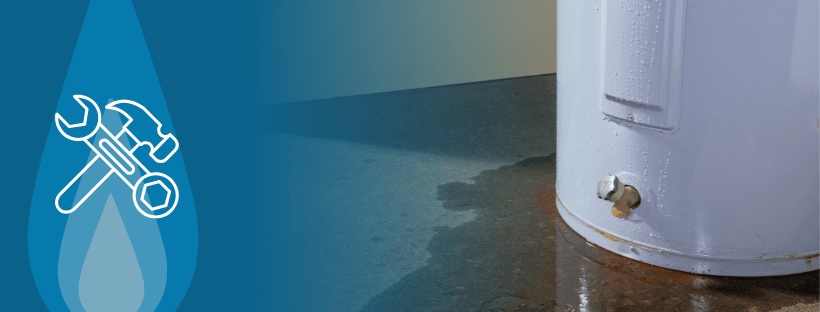
Your propane water heater is a valuable home appliance. Without it, life in most homes comes to a halt. Extending water heater life expectancy is the best way to protect that investment and keep your household happy and safe.
This comprehensive guide will share a few secrets to helping your water heater last longer. Take a minute and discover essential maintenance tips that will keep your propane water heater running efficiently.
Understanding Propane Water Heater Life Expectancy
When figuring out a game plan to extend the life of your propane water heater, it helps to know how many years you can expect this appliance to last. Several variables influence water heater lifespan.
Factors that impact how many years of use you can expect from a water heater include:
- Maintenance
- Water quality
- Usage patterns
- Manufacturer Quality
A well-maintained propane water heater can last between 8 and 12 years.
Regular maintenance can help prolong its lifespan.
Flush the Tank Once a Year
Flushing your propane water heater tank should be the first item on your
water heater maintenance list. It’s one of the easiest things you can do to help maintain its efficiency and extend its lifespan.
Over time, sediment and mineral buildup can accumulate at the bottom of the tank. The buildup reduces heating efficiency. It can also cause internal damage.
You can find instructions on how to flush a water heater anywhere online. What many DIY water heater experts sometimes forget to mention is that there’s a difference between flushing and draining.
Draining the water heater will certainly help remove the built-up sediment. Flushing dislodges and carries away the residue.
We recommend flushing the tank annually to stay on top of sediment buildup. You may need to perform this maintenance task more often if your water has a high mineral content.
Checking and Replacing the Anode Rod
The anode rod is critical in protecting your propane water heater from corrosion. It’s a sacrificial metal rod that attracts corrosive elements in the water.
Over time, anode rods deteriorate, making them useless. At this point, your water heater is at risk of sediment buildup.
You can check the anode rod if you’re handy and have the right tools. You’ll need to find the rod’s access point, typically on top of the water heater tank, and use a wrench to loosen the rod. Signs that you need to replace the anode rod include:
- Significant surface corrosion or pitting
- Excessive thinning or erosion
- Less than 6 inches of the core wire is visible
If you are uncomfortable tinkering with water heater components, there’s an easy way to determine if you need a new anode rod.
Smell your hot water! If you notice a rotten egg odor, it’s time to replace the rod. Brown, rusty water is another sign you should not ignore.
Inspect and Clean the Burner Assembly
The burner assembly is another vital component of your propane water heater. It’s responsible for heating the water.
The burner assembly comprises the burner, gas supply lines, and the igniter. To access the burner assembly, you’ll need to remove the access panel near the bottom of the water heater.
Visually inspect the burner for signs of debris, dust, or soot buildup. Make sure the igniter is clean and in good condition. If you feel comfortable, inspect the gas supply lines and look for leaks and damage.
Keeping the burner assembly clean offers several advantages, including:
- Improved efficiency
- Reliable performance
- Extended lifespan
This is all good news so far, but did you know that burner assembly inspection and cleaning are part of the routine maintenance offered by many HVAC service providers? It’s worth checking out, especially if you prefer to avoid DIY home maintenance projects.
Testing the Pressure Relief Valve
The pressure relief valve (TPR) is a safety feature designed to help prevent excessive pressure buildup inside the tank. If the pressure builds up enough to exceed safe levels, the TPR valve releases it.
Testing the valve is relatively easy.
First, locate the TPR valve on the side or top of the water heater tank.
Place a bucket under the valve to catch water that may discharge during the test. Next, gently lift the valve lever and listen for the sound of water flowing into the bucket.
Release the lever and let it snap back into place. The valve should close, and the water flow should stop. A worn-out TPR valve may leak after you close it.
Make it a habit to test the pressure relief valve on your propane water heater at least once a year. This simple yet essential maintenance task promotes safety, prevents damage, and can help the water heater last longer.
If you notice any issues during the testing process or suspect a faulty valve, consult a professional for further inspection and necessary repairs.
Adjust the Temperature Settings
Maintaining the recommended temperature settings on your propane water heater is essential for energy efficiency, safety, and comfort. It can also indirectly impact your water heater’s lifespan.
Most manufacturers recommend a temperature range for a propane water heater between 120°F (49°C) and 140°F (60°C). This range balances energy efficiency with sufficient hot water availability.
Higher temperatures can pose scalding risks and increase energy consumption. Lower temperatures may not provide adequate hot water and increase the risk of bacterial growth.
Here’s how adjusting the temperature can help extend the water heater’s lifespan:
- Reduced thermal stress
- Minimize corrosion and sediment buildup
- Balanced workload on water heater components
Adjusting the temperature can help maintain a water heater’s performance. Setting the temperature correctly can reduce stress, corrosion, sediment buildup, and energy waste.
Install an Expansion Tank
Another important step to make your water heater last longer is installing an expansion tank.
Heated water expands. Expansion can cause pressure to build up inside the water heater tank. An expansion tank helps relieve the pressure by providing a place for the expanded water.
Regulating water pressure is critical if you want to maximize the service life of your water heater. Excessive pressure strains the water heater components, which can cause premature wear and tear.
If you decide to install an expansion tank, contact a licensed plumber. A professional contractor will help you choose the right size and will properly install the expansion tank.
Schedule Routine Water Heater Maintenance
Scheduling routine maintenance for your propane water heater can significantly extend its lifespan. First, regular maintenance helps ensure your water heater operates at its best.
When you schedule regular maintenance, you allow your HVAC contractor to find and address common water heater issues before they become bigger problems. Timely repairs and replacements help prevent further damage and extend the water heater’s life.
Need Service for Your Propane Water Heater?
Following the maintenance tips outlined in this guide can ensure optimal performance and extend water heater life expectancy. Remember, routine maintenance is key to identifying and addressing issues early on.
Kauffman Gas is here for you. With 75 years of servicing customers in Chester County, PA, and Northern Delaware, we are the provider to call when you need water heater service or propane delivery.
Reach out to our team today to schedule service.

FAQs
How long do propane water heaters typically last?
A well-maintained propane water heater can last for 8 to 12 years.
However, several factors can influence its lifespan, including the quality of maintenance, local water quality, how often the appliance is used, and the manufacturer’s quality.
Regular upkeep is the best way to help ensure your water heater reaches its full life expectancy.
Why is it important to flush a propane water heater tank?
Flushing your propane water heater tank annually is crucial for preventing the buildup of sediment and minerals.
This buildup can reduce heating efficiency and cause internal damage.
While draining the tank helps, flushing it with force is more effective at dislodging and removing the residue, thereby extending the life of your appliance.
What is the purpose of an anode rod in a propane water heater?
The anode rod, often called a sacrificial rod, is a critical component that protects your water heater from corrosion.
It attracts corrosive elements in the water, sacrificing itself to prevent damage to the tank’s interior.
You should inspect and replace the anode rod periodically, especially if you notice a rotten egg smell or rusty water.