
What You’ll Learn
What do I need to prepare before having a propane tank installed at my home?
To get ready, you’ll need to choose an appropriate tank size and a level, stable spot at least 10 feet away from any structures or ignition sources.
You should also ensure a clear delivery path, keep your family at a safe distance during the process, and stay home to help the installers with appliance hookups and access.
In this blog:
This blog was updated April 2026.
You’re getting a new propane tank.
It’s not like setting up the Christmas trees for the holidays; you can’t just shift it this way and that until it looks just right.
You need to decide where it’s going and whether it will be above-ground or underground.
These are seven factors to consider before your propane tank installation.
1. Where Do You Put It?
There are two main places you can put a propane tank: above-ground and underground. The most common propane tank option is above-ground because it’s easier to fill and maintain.
You should base the placement of the propane tank on its size.
10 Feet from Ignition Sources
A propane tank for your home needs to be at least 10 feet away from ignition sources, property lines, or structures. Propane tanks are extremely safe, but creating distance is an extra level of security.
Stable Surface
Your propane tank needs a flat, stable surface to sit on. Many people install concrete or cement slabs because they provide a clean, solid platform that can support the weight of tanks of various sizes.
Level Surface
The concrete surface needs to be level before placing the tank. A level surface provides the propane tank with the support and stability it needs to function properly.
2. Know the Size You Need
When using propane, you need to know which tank size fits your needs.
You can use propane for almost every appliance in your home.
Create a list of the appliances you want to switch to propane, and your tank installer can help you determine the tank size that will fulfill your needs.

We’ve listed some of the most popular sizes to help guide your decision.
Small Tanks
20LB tanks work for gas grills and smaller needs, like a fireplace. This size will not heat a home. But it’s easy to buy more tanks and have a backup supply.
Medium Tanks
420LB tanks are big enough to use as a heating solution. They can power generators, swimming pools, propane fireplaces, and more. This tank is also known as a 100-gallon tank because it holds 100 gallons of propane.
Large Tanks
1,000-gallon tanks are perfect if you have a large home. It can provide home heating, cooking, pool heating, and more. This tank size is best for homes of at least 4,500 square feet, and you can always buy a 500-gallon tank for the same effect in a smaller home.
3. Prepare Your Home
The next factor to consider for propane tank installation is preparing your home for the transition to propane.
First, double-check that your appliances are properly installed in your home. If you want to keep your old appliances, you may have to convert their machinery to work with propane.
We recommend contacting a professional to prepare your appliances for propane. If your appliances are not properly prepared for propane, it can increase your risk of carbon monoxide poisoning and fire.
A professional can install new appliances or update old ones so they meet all safety requirements.
4. Be Home During Installation
The best thing you can do during the propane tank installation process is to stay home for it!
Being home makes it easier to tell the installation team where the tank needs to go. You can also ensure they hook up the propane to every appliance you want.
Installers also need to access different parts of your property. If you’re home, you can give them access to everything they need. You can also help overcome any problems during the installation process.
5. Focus on Family Safety
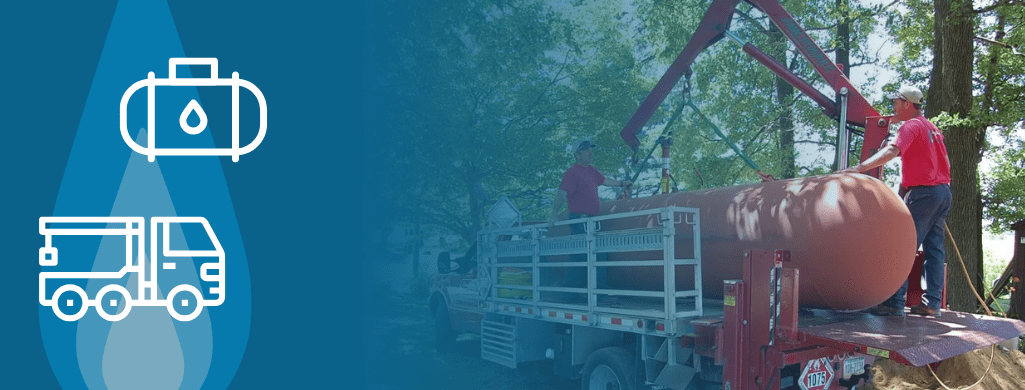
The safety of your family and pets is the number one priority for propane installers. Propane tanks, especially large ones, need a lot of machinery to install.
To keep your family safe, we recommend that pets and children stay away from the installation areas. This keeps everyone safe throughout the entire process.
6. Ask Questions
When you’re new to the world of propane, it’s important to ask your installer questions! They’re there to support you through this process.
Before you install the tank, reach out to your installation company and ask them what tank and location would be right for your home.
You should contact them again a few days before installation to go over instructions.
They can explain to you everything you need to do before they arrive.
After the installation process, your installer will talk to you about how to properly use the tank. Ask them any questions you have about maintenance and usage.
Remember, you can always contact them with any questions you might have after the process is complete.
7. Make Room for Delivery
Finally, you need to create a clear path for delivery vehicles. The bath needs to be accessible to the machinery that will install the tank. Debris, obstacles, and anything blocking the road to the installation site need to be cleared.
This path must be clear every time you refill your tank. Keep accessibility requirements in mind when deciding where to place your tank.
Schedule a Propane Tank Installation Today!
Now that you understand what you need to know before the propane tank installation process can begin, you can feel confident when adding a new propane tank to your home.
Propane can reduce your energy costs and keep your home running all year. Contacting a reliable installation company can make the whole process simple.
If you live in Chester, Lancaster, Delaware Counties in Pennsylvania, or Northern Delaware, Kauffman Gas is here to help you transition to a propane lifestyle.
We can walk you through the installation process and support you when the process is complete. We have many tanks and delivery options available, so we can find the perfect one for your budget.
Contact us today to start your propane journey!
FAQs
How far does a propane tank need to be from my home or other structures?
By code, most propane tanks must be placed at least 10 feet away from buildings, property lines, or ignition sources to ensure safety.
What size propane tank do I need?
Tank size depends on what you’re powering.
A 100-gallon tank (420 lbs) is good for home heating or multiple appliances, while a 500–1,000-gallon tank is best for whole-home use. Your installer can help you choose based on your needs.
Can I keep my current appliances when switching to propane?
Sometimes. Some appliances can be converted to run on propane, but it’s best to consult a professional.
Improper conversions can pose safety risks, such as carbon monoxide buildup.
Do I need to be home during the installation?
Yes—it helps answer installer questions, unlock access points, and ensure your tank is connected to all intended appliances.
What should I do to prepare for the delivery?
Clear a wide, obstacle-free path to the installation site for trucks and equipment.
You’ll also want to keep pets and kids safely away from the work area.