
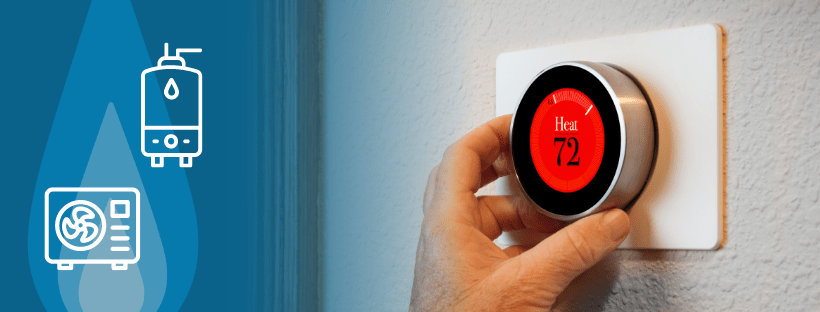
The cold keeps creeping in like an unwelcome guest.
Your furnace evicts the intruder winter after winter, but it costs you.
The energy bills go up.
Your furnace needs some backup.
A hybrid heat pump + propane furnace system will keep your home warm in the winter while minimizing energy bills.
In this blog, we’ll break down heat pumps and furnaces and explain how a hybrid system could be the perfect solution for your home.
Heat Pumps and Furnaces: Understanding the Differences
Heat Pumps

A heat pump is an energy-efficient device that transfers heat between the inside of your home and the outside environment.
In the winter, a heat pump extracts heat from the outside air (even in cold temperatures) and transfers it inside to warm your home.
In the summer, it reverses the process, removing heat from your home and releasing it outside, acting as an air conditioner.
Air-source heat pumps are the most common for residential use due to their affordability and effectiveness in most climates (including ours here in Chester County).
Furnaces
Furnaces are traditional heating systems that generate heat by burning a fuel source, such as natural gas, propane, oil, or electricity.
They work by heating air in a combustion chamber and then distributing that warm air throughout the home via a duct system.
The Differences
Heat pumps and furnaces are both capable of heating a home, but they have some fundamental differences:
- Energy Source: Furnaces typically use natural gas, propane, oil, or electricity to generate heat, while heat pumps use electricity to transfer heat.
- Efficiency: Heat pumps are generally more energy-efficient than furnaces because they move heat rather than generate it. This efficiency can result in significant energy savings, especially in milder climates.
- Cooling Capability: A heat pump doubles as an air conditioner in the summer, making it a versatile solution for year-round comfort.
- Environmental Impact: Heat pumps produce fewer greenhouse gas emissions compared to fossil fuel-burning furnaces, making them a more environmentally friendly option.
These differences complement each other and, together, can give you a home heating system that is efficient, cost-effective for your wallet, and environmentally sustainable for your home.
Hybrid Heat Pump + Propane Furnace System Explained
A hybrid heat pump + propane furnace system, also known as a dual-fuel system, combines the best of both worlds.
Heat Pump Efficiency + Propane Furnace Heating
This system automatically switches between the heat pump and the furnace depending on the outdoor temperature, ensuring your home stays comfortable while optimizing energy use.
In milder weather, the heat pump does most of the work, efficiently heating your home.
When temperatures drop below 40° Fahrenheit, the propane furnace kicks in to provide the additional heat needed.
This seamless transition between the two systems ensures maximum efficiency and comfort.
Benefits of a Hybrid Heat Pump + Propane Furnace System
Enhanced Efficiency
Hybrid systems are designed to maximize efficiency.
The heat pump handles heating during milder conditions, which is when it operates most efficiently.
The propane furnace takes over when temperatures drop below 40° Fahrenheit and the heat pump’s efficiency may decrease, ensuring your home remains warm without excessive energy use.
Lower Energy Bills
By optimizing the use of both the heat pump and the propane furnace, a hybrid system can significantly lower your energy bills.
The heat pump reduces the need for propane in milder weather, while the propane furnace minimizes electricity use during colder months.
Environmental Benefits
Hybrid systems reduce your reliance on fossil fuels, lowering your home’s carbon footprint.
The efficient operation of the heat pump during most of the year results in fewer greenhouse gas emissions compared to relying solely on a furnace.
Year-Round Comfort
A hybrid system offers consistent comfort throughout the year.
In addition to efficient heating, the heat pump also provides cooling during the summer, eliminating the need for a separate air conditioning system.
Flexibility and Control
Installing a new hybrid system in your home is a great opportunity to take control of your home heating system.
Some come with smart thermostats, and almost every make and model is compatible with popular smart thermostats from Google, Apple, Amazon, Nest, and more.
This means you’ll be able to adjust settings based on your preferences and the weather from your phone, ensuring optimal comfort and efficiency.
Costs and Savings of a Hybrid Heat Pump + Propane Furnace System
The initial cost of installing a hybrid system may be higher than that of a traditional furnace or heat pump alone.
However, the long-term savings on energy bills can offset this initial investment.
Costs
Installation Costs
The cost of a hybrid system varies depending on the size of your home, the type of heat pump, and the complexity of the installation.
On average, homeowners can expect to pay between $8,000 and $15,000 for a complete hybrid system installation.
Maintenance Costs
While a hybrid system may require slightly more maintenance than a single heating unit, regular servicing by professionals ensures it operates efficiently and prolongs its lifespan.
Savings
Energy Savings
According to industry estimates, a hybrid system can reduce heating costs by up to 25% compared to traditional heating methods.
These savings are particularly noticeable in areas with fluctuating temperatures, where the system can take full advantage of both the heat pump and the propane furnace.
Environmental Impact
One of the key advantages of a hybrid heat pump + propane furnace system is its positive environmental impact.
By using a heat pump for most of the year, you reduce the amount of propane or natural gas needed to heat your home, thereby lowering your carbon footprint.
Reduced Greenhouse Gas Emissions
Heat pumps produce fewer greenhouse gases compared to traditional furnaces, especially when powered by electricity from renewable sources.
By incorporating a propane furnace only when necessary, a hybrid system minimizes the environmental impact of home heating.
Energy Efficiency
Heat pumps are known for their high efficiency. On chilly days, they produce 4 times the energy they consume.
This efficiency translates to less energy consumption and a greener home.
Take the Next Step Towards a More Efficient Home
Whether you’re concerned about rising energy bills or looking for a more sustainable way to heat your home, a hybrid heat pump plus propane system could be the perfect solution.
Don’t wait until the winter chill sets in.
Let us help you make the switch to a more efficient, eco-friendly heating solution that keeps your home comfortable year-round.
Our expertise in furnaces and heat pumps ensures that you’ll get the best advice, service, and results.
Contact Kauffman Gas today for a free estimate.
FAQs
Can a heat pump effectively heat my home in very cold weather?
Yes, modern heat pumps are designed to work efficiently even in colder climates. However, when temperatures drop significantly, the efficiency of a heat pump can decrease.
This is where a hybrid heat pump + propane furnace system shines.
The heat pump will handle heating during milder weather, and the propane furnace will kick in when the temperature dips too low for the heat pump to operate efficiently, ensuring your home stays warm without overloading the system.
How do I know if a hybrid heat pump + propane furnace system is right for my home?
A hybrid system is ideal for homeowners who live in the north and northeast, where winters get pretty chilly and summers bring moderate warmth.
If you experience mild winters with occasional extreme cold, a hybrid system can provide optimal efficiency and comfort.
Additionally, if you’re looking to reduce energy costs and your environmental impact, a hybrid system is an excellent choice.
Will switching to a hybrid system save me money on my energy bills?
Yes, a hybrid system can lead to significant savings on your energy bills.
By using the heat pump during milder weather and the propane furnace only when necessary, the system reduces overall energy consumption. The exact savings will depend on your local climate, energy costs, and the efficiency of the system you choose.
On average, homeowners can see a reduction in heating costs by up to 30% compared to using a traditional furnace alone.
What kind of maintenance does a hybrid heat pump + propane furnace system require?
A hybrid system requires regular maintenance to ensure it operates efficiently.
This includes annual servicing of both the heat pump and the propane furnace. Regular maintenance tasks include…
- cleaning filters
- checking refrigerant levels
- inspecting the furnace burner and heat exchanger
- ensuring that all components are functioning correctly
Scheduling regular maintenance with a professional HVAC technician will help extend the life of your system and prevent costly repairs.
How does a hybrid system impact the environment compared to a traditional furnace?
A hybrid heat pump + propane furnace system is more environmentally friendly than a traditional furnace because it reduces reliance on fossil fuels.
By using the heat pump for most of the year, the system lowers greenhouse gas emissions and reduces your home’s carbon footprint.
Additionally, if your electricity is sourced from renewable energy, the environmental benefits are even greater.