You’re tired of your old oil burner giving you puff back.
You want something more efficient, like propane.
Whether you’re in a suburb or a serene rural area, understanding the ins and outs of propane heating is crucial for making an informed choice.
This guide provides a comprehensive overview of switching to propane, focusing on its cost, efficiency, installation, and environmental benefits.
What we’ll cover:
- A Snapshot of Heating Needs in Lancaster and Chester County
- Making the Transition
- The Financial Side of Propane Heating
- Benefits of Propane Use
- Safety Considerations in Propane Use
A Snapshot of Heating Needs in Lancaster and Chester County
Lancaster and Chester County experience cold winters, with average temperatures dropping to around 28°F in January. And often, natural gas lines don’t run to your house, eliminating that option.
Heating needs in this region are not just about comfort; they’re necessary for battling the harsh winter months.
Making the Transition
When switching to propane, the process will be as follows:
Detailed System Assessment
A professional will compare the energy efficiency of your current oil system versus a potential propane system.
Ductwork and Infrastructure Inspection
For homes with forced-air systems, technicians inspect existing ductwork for compatibility and efficiency with a propane furnace. This inspection includes checking for leaks, obstructions, and insulation adequacy, essential for maintaining heat within the home.
Baseboard Heating Conversion
If your home uses baseboard heating, the transition involves assessing the current setup and planning for a propane boiler. This includes evaluating the distribution pipes and radiators for upgrades or modifications to optimize propane use.
Customized Propane Plan
A plan is crafted to ensure optimal heat distribution based on your home’s layout and size. This might involve strategically placing a propane tank and selecting the right furnace size for evenly distributed heat.
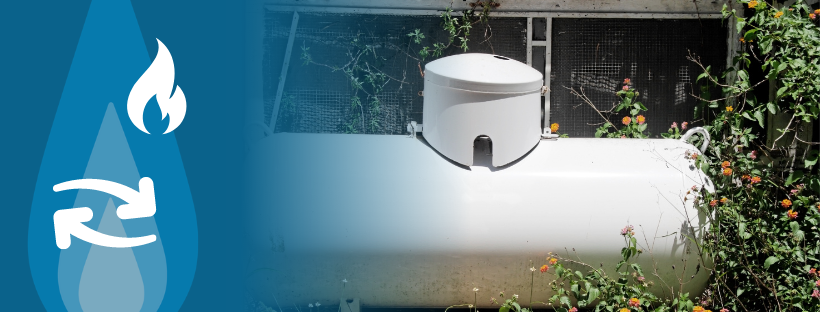
Tank size and placement options will be presented, whether it’s an above-ground tank for ease of access or an underground tank for aesthetic considerations.
The plan will address unique needs, such as solutions for older, historically significant homes in Chester County, PA, that require special care during system upgrades.

Professional and Compliant Installation
Installing a new propane furnace or boiler is done meticulously, ensuring it aligns with local building codes and safety standards. This includes proper venting systems and fuel line connections.
A comprehensive check is conducted post-installation to ensure the system runs efficiently and safely.
Ongoing Support and Maintenance
Regularly scheduled visits to inspect and maintain the propane heating system, ensuring it operates efficiently.
The Financial Side of Propane Heating
The cost of propane heating varies
Propane’s high efficiency is a game-changer for your wallet. It converts more fuel to heat than alternatives like oil or electricity, leading to lower annual heating costs.
On average, Chester County homeowners spend about $1,000 to $1,500 on heating during the winter. This is influenced by home size, insulation quality, and personal comfort preferences.
Propane prices vary with market trends, such as the price of crude oil and natural gas (sometimes used for processing propane), the weather, supply, and demand.
Installation Expenses
Installing a propane heating system does come with upfront costs, ranging from $1,500 to $4,000. These costs include the propane tank, labor, and necessary modifications to your home’s heating infrastructure.
Although the initial investment seems steep, the long-term savings on heating bills are substantial. Propane’s efficiency means lower fuel consumption, translating to lower ongoing costs.
Additional Financial Considerations
Keep an eye out for local or Pennsylvania state incentives for energy-efficient upgrades, which offset some installation costs.
Property Value Increase: Homes with efficient propane heating systems may see an increase in property value, a factor worth considering if you plan to sell your home.
Benefits of Propane Use
Environmental
Propane stands out for its low carbon emissions. It releases fewer greenhouse gases compared to other fossil fuels, making it a more environmentally friendly option for heating your home.
The combustion process of propane is cleaner than that of oil or coal. This means less soot and fewer pollutants.
Reliability and Convenience
Propane heating provides a reliable alternative in Chester County, where weather conditions can lead to power outages. Propane systems work independently of the electrical grid.
Also, having a propane tank on your property means a consistent and readily available fuel supply.
Various Home Uses
Propane is not just for heating. It also powers various appliances, including water heaters, stoves, and clothes dryers.
Appliances powered by propane typically operate more efficiently than their electric counterparts, lowering energy bills and reducing energy consumption.
The multi-use capability of propane simplifies your home’s energy needs, making it a one-stop solution for various applications.
Safety Considerations in Propane Use
To ensure safety, it’s vital to have regular professional maintenance checks of your propane system. This includes inspections for leaks and ensuring all components are functioning correctly.
Adherence to safety protocols, such as proper handling of propane tanks and awareness of emergency procedures, is essential.
Kauffman Gas Has Your Propane Solution
Switching to propane is a decision that offers numerous benefits, from cost savings and efficiency to environmental friendliness.
As you consider this transition, remember that the right provider can make all the difference.
At Kauffman Gas, we’re here to ensure you never have to worry about being left out in the cold.
Contact us to explore how we can meet your propane needs.
FAQs
Can I switch my house from natural gas to propane?
Yes, you can switch your house from natural gas to propane. This process involves replacing your natural gas appliances with propane-compatible versions or converting them if they are dual-fuel capable. You’ll also need to install a propane tank on your property and set up delivery services with a propane supplier. It’s essential to hire a professional to ensure the conversion is done safely and in compliance with local regulations.
Is it worth it to switch to propane?
Whether it’s worth switching to propane depends on several factors, including the cost of propane versus natural gas in your area, the efficiency of propane appliances, and your specific energy needs. Propane is often favored for its portability, higher efficiency in certain appliances, and availability in areas not serviced by natural gas. It can be a good investment if you’re looking for a reliable alternative energy source to power a wide range of appliances and heating systems.
Is it worth converting from oil to propane?
Converting from oil to propane can be worth it for many homeowners. Propane typically burns cleaner than oil, which means less maintenance for your heating system and a lower environmental impact. Propane furnaces are also often more efficient than oil furnaces, which can lead to savings on your energy bills. Additionally, propane systems can take up less space and provide a more consistent fuel supply. However, the initial cost of conversion and the fluctuating price of propane should be considered in your decision.
How hard is it to switch from propane to natural gas?
Switching from propane to natural gas involves several steps and can vary in complexity depending on your current setup. You’ll need to check if natural gas is available in your area and have a service line installed to your home. Existing propane appliances must be replaced or converted to natural gas, which not all can accommodate. The process requires professional installation to ensure safety and compliance with local codes. While it can be a significant upfront investment, natural gas often offers homeowners lower long-term costs and increased convenience.