According to the U.S. Department of Energy, in 2014, there were around 11.4 million American households. Those households accounted for 21.8% of all the total energy consumption that same year.
But how those U.S. households heated their homes in 2014 and today varies. In 2017, electricity accounted for 44% of all household energy consumption. Petroleum oil and propane were the next most-consumed energy sources.
Thanks to climate change, it’s important to make informed decisions on how you choose to heat your home. If you’ve been wondering about the differences between oil vs. propane heating, you’ve come to the right place.
Keep reading while we share with you everything you need to know about propane vs. oil.
The Differences Between Oil Vs. Propane Heating
Let’s begin with the similarities between oil and propane:
- They’re both fossil fuels that are delivered and stored onsite in tanks.
- Both fuels are subject to supply and demand price fluctuations, especially in the winter months.
Heating Oil
The oil comes from petroleum. The crude oil from petroleum is refined into many products such as refined oil you use in your car for gasoline and diesel.
Heating fuel is heavier than diesel and is also more efficient.
Propane Gas
Propane is a gas that can be ignited and used for heating. Propane and natural gas in that propane is extracted from natural gas but is not the same thing.
The difference between natural gas and propane is that natural gas contains other gases, including propane and is cleaned before use to make it more efficient. Propane is a hydrocarbon and is the result of a refining process.
The Pros and Cons of Propane Vs. Oil
There are several advantages and disadvantages to using propane vs. oil.
Advantages of Propane
Propane gas heats quickly. However, when it’s burned, it doesn’t produce a significant amount of carbon dioxide nor does it release other types of toxins into the air. It is therefore considered more environmentally friendly.
Propane is also easily paired with a variety of standard heating options such as a boiler or furnace. Propane can also be used with zone or central heating as well as radiant systems and forced air.
Propane heaters are also known to create warmer heat than most alternatives such as electric heat.
Disadvantages of Propane
It costs more to use propane. It’s also difficult to calculate operating costs and savings since the price of propane fluctuates rapidly.
There’s also no centralized delivery system for propane. There’s no piping system that automatically provides you with more propane. Instead, you have to schedule regular propane deliveries yourself.
Maintain Your Propane Tank
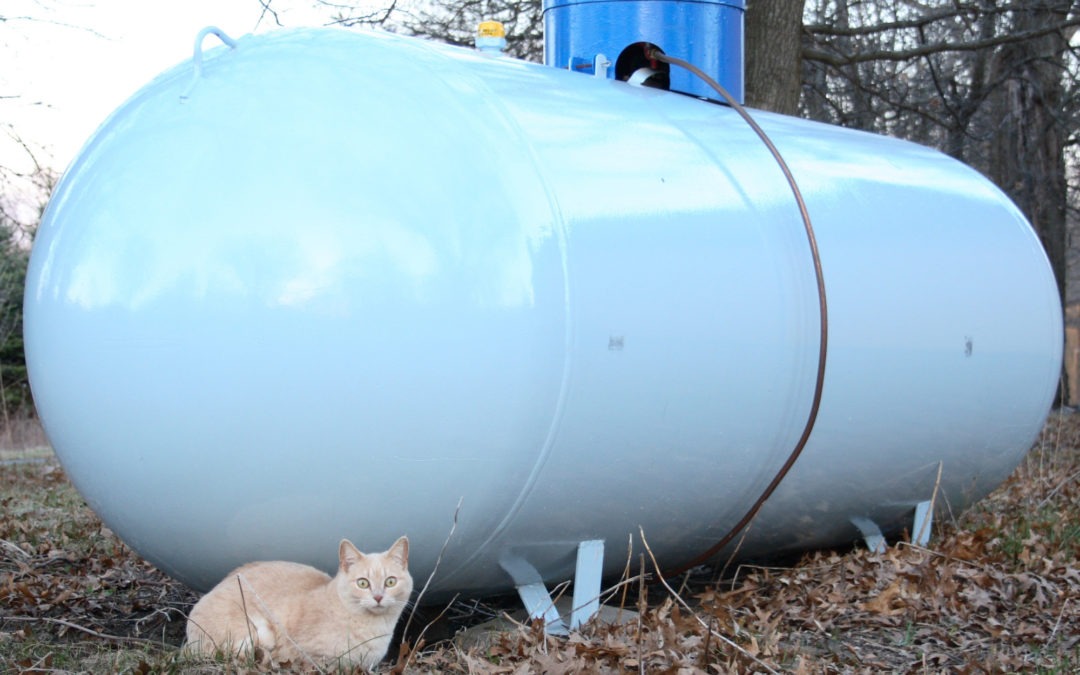
How often you need a delivery depends on the size of your tank. You’ll also have to choose whether you want to own or rent your propane tank. If you do own your tank, you’re responsible for scheduling and paying for the maintenance and repair of that tank. Otherwise, if you rent a tank, the propane company will maintain and repair it for you.
Keep in mind that the tank is large and is often above ground where it’s difficult to hide. It may be a bit of an eyesore.
The Advantages of Heating Oil
Heating oil also heats up quickly like propane. However, it’s used up more slowly than propane.
Today’s oil furnaces are cleaner and quieter than in the past. It’s also safer to store and use since, while the oil is flammable, it won’t explode or produce carbon monoxide.
Disadvantages of Oil
Oil isn’t as environmentally-friendly as propane. And it’s more difficult to control the heat output with oil than propane. Therefore an oil furnace uses more electricity than a propane tank will which directly affects the cost.
Oil also has more particulates than propane. That tends to translate into needing more maintenance with your furnace than you would if you use propane.
You must also use a storage tank with oil and keep it filled up by having it delivered.
More Maintenance is Required
But you’ll also need to put additives into the heating oil in the winter to reduce freeze risk.
And you’ll need to keep cleaning off the dirt and soot from your chimney and change your oil filters often.
The Cost of Propane Vs. Oil
Propane used to be significantly less expensive and still is cheaper per BTU (British Thermal Unit) than heating oil. However, pricing also depends on your location and the weather.
If you live far away from the propane depot, you may end up spending more than someone who lives in a neighborhood that’s closer.
Another factor affecting prices is that some states charge more for propane due to shortages. Other states improve environmental taxes on oil.
The Prices of Propane Vs. Oil During the Off-Season
The oil industry often shuts down its refineries in stages during the months between March and June every year for maintenance purposes. The result is that every spring prices for oil rise.
Meanwhile, if you order propane during the summer months, you can often take advantage of off-season pricing. Especially if you find a propane company that offers competitive rates.
The only real way to get a proper price comparison is to get precise costs based on how they apply to your home for each fuel type.
Consider Replacing Your Furnace or Tank
If you already have a furnace, you may want to consider replacing it. Furnaces are less efficient as they age and you may end up paying a lot to maintain the unit. It may make sense to replace your old furnace by purchasing a new one outright or looking into financing options.
To see if you’ll save money, add up all your maintenance fees and fuel bills over the past three years. Divide that number by three which will give you the average cost per year.
Then take that figure and add up the price of a new system. You should also measure the rooms you heat and calculate to make sure you have the right-sized tank for your home.
Choose Propane Gas as Your Heating Fuel
When it comes to oil vs. propane heating, the choice is clear that propane is better for the environment and your wallet. But if you still have questions, we’re here to help you out.
Whether you want to know if we deliver to your neighborhood, the current cost of propane or when we can start delivering to you, we’re easy to contact. Click here to find out to get in touch with us.
