
What You’ll Learn
Is a heat pump with propane backup right for my Pennsylvania home?
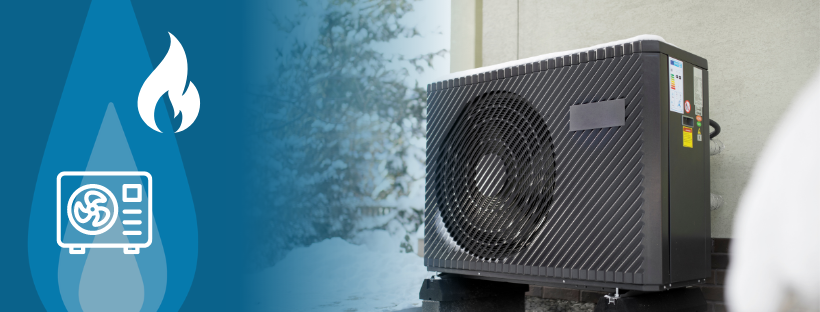
A heat pump with propane backup works like a reversible air conditioner in moderate weather, then switches seamlessly to propane when temperatures drop—giving you efficient heating year-round without the cold-weather performance loss of standard heat pumps. It’s ideal for our fluctuating climate.
In this blog:
This blog was updated March 2026.
Your furnace is giving you the cold shoulder.
In the heart of a Pennsylvania winter, the last thing you want is a furnace that decides to take a hiatus.
You’re familiar with the brisk winters of Lancaster and Chester Counties. You know Lancaster and Chester County winters—you don’t want to be in the cold for long.
When your trusty furnace calls it quits, the maze of replacement options can feel overwhelming. But one solution keeps rising to the top: a heat pump with propane backup.
How a Heat Pump with Propane Backup Works
A heat pump with propane backup is an efficient heating solution for our Pennsylvania winters.
It works like a reversible air conditioner, providing warmth in winter and cool air in summer.
When temperatures drop significantly, the propane backup activates, ensuring continuous warmth.
This system seamlessly switches between the energy-efficient heat pump and the propane furnace based on outdoor temperature, providing environmental and cost benefits.

Ideal for our fluctuating climate, this dual system ensures your home remains comfortable year-round, adapting effortlessly to weather changes without compromising efficiency or reliability.
Assessing Your Needs: Size, Efficiency, and Climate Considerations
Before diving into the world of heat pumps with propane backup, you need to understand your specific needs.
Homes in Lancaster and Chester Counties vary widely, from cozy 1,500-square-foot cottages to sprawling 5,000-square-foot estates.
The size of your home, along with its insulation quality, is a key factor in determining the heating system capacity you need.
That said, homes in Lancaster and Chester Counties typically need a 3- to 5-ton system.
| Home Size (SF) | Size (ton) |
|---|---|
| 1,500 – 2,100 | 3.0 |
| 1,800 – 2,300 | 3.5 |
| 2,100 – 2,700 | 4.0 |
| 2,400 – 3,300 | 5.0 |
Cost Analysis: Installation and Operating Costs
Heat Pump Installation Cost
Installation costs for a heat pump with propane backup can vary.
| Home Size (SF) | Size (ton) | Typical Installation Cost |
|---|---|---|
| 1,500 – 2,100 | 3.0 | $3,500 – $6,500 |
| 1,800 – 2,300 | 3.5 | $3,800 – $7,000 |
| 2,100 – 2,700 | 4.0 | $4,000 – $8,500 |
| 2,400 – 3,300 | 5.0 | $4,500 – $10,000 |
Heat Pump Operating Costs
Long-term operating costs are hard to quantify, as they depend on factors such as your home’s efficiency and the prices of propane and electricity in our counties.
You will likely find it easier to look at the savings you can anticipate.
Experts can provide estimates of the savings you can expect by
- Comparing the system they recommend and your old system
- Comparing the different systems they are recommending
The savings should be between 30% to 50% in operating costs. These new systems are that efficient.
Note: When looking at past years’ heating expenses, we recommend you consider multiple years. Winters like our winter in 2022-23 were warm, and just looking at those 2022-23 heating bills can mislead you on the savings you can expect.
Environmental Impact
In an era where environmental consciousness is important, a heat pump with propane backup is a viable option. It’s known for lower carbon emissions compared to traditional heating systems.
Maintenance, Reliability, and Longevity
Maintenance and longevity are key to getting the most out of your heating system.
Regular servicing can extend the life of your heat pump and propane system, ensuring they operate at peak efficiency.
The average lifespan of these systems varies, but with proper care, heat pump systems can last 10-15 years, with propane backup systems having a similar lifespan.
Familiarize yourself with maintenance schedules and potential repair needs.
A well-maintained system is more reliable and can save you from unexpected breakdowns and costly repairs.
Incentives and Rebates: Making It Affordable
Local incentives and rebates can significantly reduce the initial cost of installing a new heating system.
Integrating with Your Home: Installation and Adaptation
Integrating a new heat pump with propane backup into your existing home requires careful planning.
Considerations include:
- The compatibility of existing ductwork
- The need for electrical upgrades
- The space for propane storage
Work with a professional who can assess your home’s layout and recommend the best installation approach.
Proper integration ensures optimal performance and avoids future issues, making your transition to a new heating system smooth and hassle-free.
Performance in Extreme Weather
Heat pumps with propane backup are designed to handle the fluctuating temperatures of Pennsylvania winters.
The propane system activates when the heat pump’s efficiency drops in severe cold, providing consistent warmth.
This dual functionality ensures your home remains comfortable, no matter how low the mercury dips.
Choosing the Right Model: Brands and Features
It’s time to select the right brand and model for your home.
A wide range of options is available, each with unique features and capabilities. Look for brands known for their reliability and efficiency.
Features like programmable thermostats, variable-speed motors, and smart home compatibility can enhance convenience and efficiency.
Consult with HVAC professionals who can provide insights into the best options for your needs and home size.
Noise Levels and Home Comfort
Modern heat pumps are designed to operate quietly, minimizing noise disruption in your home. This is an important consideration for maintaining a peaceful living environment.
Propane backups are also relatively quiet, ensuring that your comfort and tranquility at home are not compromised even when the system switches to backup mode.
When choosing a system, consider the noise levels to ensure it aligns with your comfort preferences.
Advantages of Propane as a Backup Energy Source
Propane stands out as an excellent backup energy source for several reasons.
Firstly, it’s highly efficient and produces more heat per unit than other fuels. This efficiency translates into lower energy bills and reduced environmental impact.
Secondly, propane systems are known for their reliability, especially during power outages, providing uninterrupted heating when you need it most. Propane also burns cleaner than other fossil fuels, resulting in fewer emissions and a smaller carbon footprint.
Lastly, its availability and storage flexibility make it a practical choice for homeowners in Lancaster and Chester Counties, ensuring a dependable heating solution regardless of external factors.
Financing Options for Your Heating System Upgrade
If paying cash for your new heating system isn’t feasible, don’t worry.
Financing options are available.
Many homeowners opt for home equity loans to leverage the value of their property.
However, the financing offered by your installer is often the most competitive.
These tailor-made financing plans make your upgrade more affordable, allowing you to enjoy the benefits of a new heating system without the upfront financial strain.
Be sure to explore all options to find the one that best suits your financial situation.
Kauffman Gas: Your Partner in Home Heating Solutions
At Kauffman Gas, we understand the importance of a reliable heating system.
With our expertise in HVAC and propane systems, we guide you through choosing and installing the perfect system for your home.
We provide a comprehensive service, from selection to installation, including managing the propane needs.
We won’t leave you out in the cold.
Become a Kauffman Gas customer today!
FAQs
Can you get a heat pump that runs on propane?
Yes, you can have a heat pump system with a propane backup.
While the heat pump primarily uses electricity, it switches to propane for heating during extremely cold temperatures, ensuring efficiency and reliability in colder climates.
What is the difference between a heat pump and a hybrid heat pump?
A standard heat pump uses electricity to transfer heat between the indoors and outdoors.
A hybrid heat pump combines a traditional electric heat pump with an additional heating source, such as propane, to enhance efficiency in extreme weather conditions.
Is a hybrid heat pump worth it?
A hybrid heat pump can be highly beneficial, offering significant energy savings and optimal comfort in varying climates.
Using the most efficient heating mode based on current temperatures provides cost-effective, reliable heating and cooling.
Which is better, propane or electric heat pump?
The choice between propane and electric heat pumps depends on your needs, climate, and energy costs.
Propane heat pumps offer higher efficiency in extreme cold. In contrast, electric heat pumps are more cost-effective in mild-to-moderate climates.