
What You’ll Learn
What should I know before installing a propane tank?
Before the installation happens, you should pick the best tank size for your needs. This means knowing what appliances use propane and roughly how much you will use.
After that, it’s important to get information from your propane tank supplier about the installation process and timeline, costs, and the impact it will have on your yard.
Read to get a general idea of what these factors look like.
In this blog:
This blog was updated January 2026.
You’re spending way too much on your energy bill.
You want to change the way your home uses energy.
You’re on the brink of a decision countless homeowners have faced—the shift to propane.
It’s more than just an upgrade; it’s a step towards a smarter, more sustainable home.
We’re tackling all your burning questions and guiding you through each consideration with the precision of a seasoned expert.
Choosing the Right Size Tank
Selecting an appropriate propane tank size is a critical first step. It hinges on balancing your household’s energy requirements against the physical space available for the tank.
Evaluate your typical energy usage, considering factors like the size of your home and the appliances you’ll be running on propane.
Above-Ground Propane Tanks
20-Pound Tanks: Ideal for grilling and outdoor cooking. They’re compact, portable, and perfect for occasional use.
100-Pound Tanks: Suitable for smaller heating needs or appliances like a stove or clothes dryer. A practical choice for homes with limited space.
250-Gallon Tanks: Recommended for homes around 2,000 square feet, powering heating systems, hot water, cooking, and clothes drying. These tanks are about 7.5 feet long and 30 inches in diameter.

500-Gallon Tanks: Common for larger homes (2,500+ square feet) with multiple propane appliances. They measure approximately 9.5 feet long and 37.5 inches in diameter. This size can handle heating, hot water, cooking, drying, and even pool heating.
1,000-Gallon Tanks: Best for very large homes or commercial applications. They’re about 16 feet long and 41 inches in diameter, catering to extensive energy demands.
Underground Propane Tanks
500-Gallon Underground Tanks: An aesthetically pleasing option, keeping the tank out of sight. Suitable for larger homes with high propane usage without impacting your property’s appearance.
1,000-Gallon Underground Tanks: For properties with significant energy needs, including commercial setups. These tanks are discreetly buried, preserving the landscape’s aesthetic.
Read Everything You Need to Know About Propane Tank Sizes in 2024 for more information on tank sizes.
The Installation Process
Site Assessment
The first step is to evaluate your property to identify the optimal spot for the propane tank.
This involves considering factors like ease of access for delivery trucks and distance from the house and property lines.
For above-ground tanks, there’s a strict adherence to the 10-foot minimum distance from buildings and property boundaries.
Underground tanks require different considerations, like avoiding underground utilities and ensuring accessibility for maintenance.
Permit Acquisition
Permits are mandated for propane tank installation to ensure adherence to local safety standards. The process involves submitting detailed plans and specifications to local authorities.
Tank Placement
Above-Ground Tanks: These are popular due to their ease of installation and maintenance. They are typically placed on a stable, level concrete pad or secure blocks.
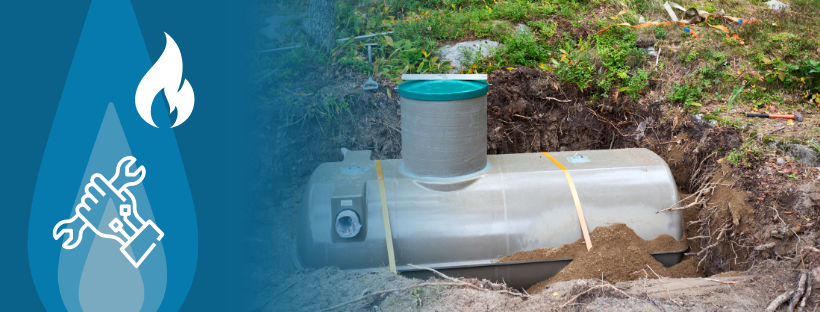
Underground Tanks: These tanks are ideal for maintaining your yard’s aesthetics. They require excavation and careful placement to prevent hazards like soil erosion or water seepage.
Connection and Setup
Connecting the tank to your home’s propane system is performed by licensed professionals to ensure a safe and efficient setup.
Leak testing ensures there are no leaks in the system, safeguarding your home against potential hazards.
Adjustments are made to ensure optimal propane flow and efficiency, tailored to your home’s energy needs.
Timeline for Installation
The timeline for propane tank installation varies, influenced by several factors, each contributing to the overall duration.
- Site Assessment and Permit Acquisition (3-7 Days): Obtaining necessary permits can take a few days up to a week, depending on the complexity of your property and local bureaucracy.
- Installation Day (1 Day): Most installations are completed within a single day. This includes positioning the tank, either above or below ground, and connecting it to your home’s propane system. Above-ground tanks are quicker to install, while underground tanks may require additional time for excavation.
- Final Inspection and System Testing (1-2 Days): After installation, a thorough system inspection and testing are conducted.
- Factors Impacting the Timeline: Extreme weather conditions, like our Chester County deep freezes, can delay the installation, especially for underground tanks. Unique terrain features of your property might extend the installation time. Flatter properties allow for faster installation.
Understanding the Costs
The cost associated with installing a propane tank can be influenced by several variables, making it an essential consideration in the planning phase.
Before you dive in, obtain quotes from multiple providers. Ensure these quotes include all aspects of installation, from the tank itself to labor, components, and landscaping restoration work.
Size and Capacity
Above-Ground Tanks: Smaller tanks (100-250 gallons) cost between $300 to $600. Larger tanks (500-1,000 gallons) cost upwards of $2,500 to $3,000.
Underground Tanks: These tanks come in similar capacities but are more expensive due to additional installation requirements. A 500-gallon underground tank costs between $1,800 to $3,000, not including excavation and landscaping costs.
Installation Complexity
The further the tank is from your house, the more piping is required, increasing costs.
Hilly or rocky terrain in parts of Chester County adds complexity and cost to the installation.
Additional Components
Regulators and Gauges: Essential for safe operation, these components add approximately $50 to $150 to the installation cost.
Impact on Your Yard
Preserving the natural charm of your yard after introducing a propane tank is key.
Above-Ground Tanks
These tanks are visible but can be integrated with your yard’s theme. They’re placed near the house or garage for easy access.
The installation process is quicker, usually involving minor landscaping adjustments. There’s no need for extensive digging, so your yard’s structure remains largely intact.
Underground Tanks
Once installed, underground propane tanks are out of sight.
However, there is a period after excavation where your pristine yard will include a dirt patch. Kauffman Gas lays grass seed to ensure your yard is fully green in no time. For this reason, Kauffman Gas leans towards installations in the spring or autumn.
Trust Kauffman Gas for Your Propane Needs
When installing a propane tank, you must choose the right partner so you aren’t left out in the cold.
Expertise in propane and HVAC solutions ensures a smooth, compliant, and tailored installation.
Ready to upgrade your home with propane?
Become a Kauffman Gas customer today!
Our team is dedicated to providing top-tier service and support, ensuring your transition to propane is seamless and satisfactory.
FAQs
What is the 80/20 rule for propane tanks?
The 80/20 rule for propane tanks refers to a safety and efficiency guideline that suggests a propane tank should only be filled to 80% of its capacity.
The remaining 20% is left as an expansion space to accommodate temperature changes that can cause the propane to expand.
This rule helps prevent overpressure situations, ensuring safe storage and operation of the tank.
How deep does a 250-gallon propane tank need to be buried?
A 250-gallon propane tank needs to be buried so that the top of the tank is at least 10 to 12 inches below the ground surface.
This depth provides adequate protection from the elements and ensures the tank remains stable and secure.
Local regulations may specify minimum depth requirements, so it’s important to check with local authorities or a professional installer.
How do I prepare my propane tank for installation?
Preparing your propane tank for installation involves several steps:
Selecting the Right Location: Choose a spot that meets local codes and regulations, ensuring it’s accessible for delivery and maintenance, away from building entrances, windows, and other tanks.
Preparing the Site: The area should be clear of debris, level, and stable. For underground tanks, excavation must be done to the required depth and width.
Safety Checks: Ensure that the area is free from sources of ignition and the tank is in good condition, without leaks or damage.
Professional Inspection: Have a certified technician inspect the installation site and the tank before installation to ensure compliance with safety standards.
How deep should a propane tank be buried?
The depth at which a propane tank should be buried depends on its size and local regulations.
Generally, tanks are buried with at least 10 to 12 inches of soil on top. For larger tanks, such as 500-gallon units, the required depth might be greater to ensure adequate coverage and protection.
It’s essential to consult local codes and a professional installer to determine the specific requirements for your tank’s size and location.