
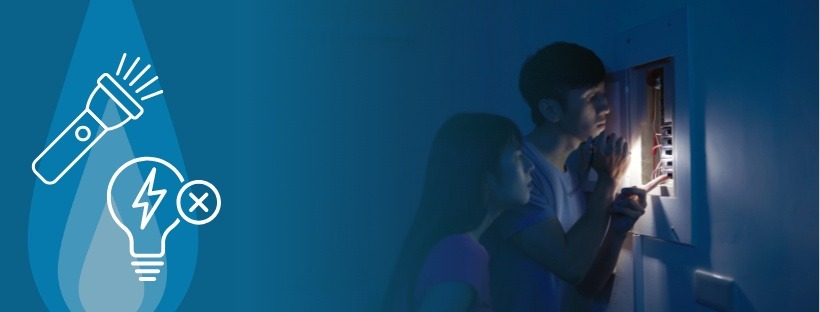
How Propane Can Keep Your Pennsylvania Home Running When the Grid Goes Down
The summer rain is pounding the roof.
The wind is blowing the tree branches back and forth.
With a crack of lightning, your power goes out.
Now you’re on a timeline: fresh groceries are in the fridge, and a half-cooked dinner is on the cooling stove.
For many homeowners, this situation feels all too familiar—but it doesn’t have to.
The power grid may be unpredictable, but propane is not.
Whether it’s powering a whole-home generator, keeping your furnace running during a winter freeze, or ensuring you can cook a hot meal, propane has it covered for your home.
The Risks of Grid Dependence
Pennsylvania homeowners face a range of natural and infrastructure challenges that can disrupt power.
- Severe winter storms: Ice buildup and heavy snow frequently damage power lines, leaving entire communities without electricity for hours—or even days.
- Summer thunderstorms: High winds and lightning strikes can down power lines and cause widespread blackouts during the hottest months of the year.
- Infrastructure strain: Increased energy demands and aging power grids make outages more likely, even outside of extreme weather events.
- Rural locations: Many parts of Pennsylvania are in rural areas where utility repair crews may take longer to reach during widespread outages

Being solely dependent on the grid can leave your family vulnerable. Propane provides an independent, reliable energy source that gives you peace of mind year-round.
Propane: A Reliable Energy Source During Emergencies
Unlike electricity and natural gas, which rely on external infrastructure, propane is stored on your property. This means that even if the grid goes down or natural gas service is interrupted, your propane supply remains secure. Propane doesn’t degrade over time and can be stored safely for years, making it a stable energy solution for emergencies. Even if your home doesn’t have a tank on the property for heating or other appliances, you can get one installed to be ready for power outages. Here’s how propane can help your household maintain essential services during an outage:1. Whole-Home Standby Generators
One of the most impactful ways to use propane during a power outage is by connecting it to a whole-home standby generator.
There will be a separate tank from your normal propane tank to ensure your home is stocked and ready for when a power outage occurs.
- Automatic activation: Standby generators detect when the power goes out and turn on within seconds, providing seamless backup for your entire home.
- Consistent performance: Because propane is stored on-site, you don’t have to worry about fuel deliveries or shortages during an outage.
- Power for everything: With the right size generator, you can keep your lights on, refrigerator running, HVAC systems operational, and electronics charged.
A propane-powered standby generator can be the difference between a major disruption and a minor inconvenience when Pennsylvania’s grid goes down.
2. Propane-Powered Water Heaters
Even a short power outage can make it impossible to take a hot shower or wash dishes if your water heater relies on electricity. Propane water heaters solve that problem.
Tank and tankless options: Both styles can provide reliable hot water even when electricity is unavailable.
Efficiency benefits: Propane water heaters often heat water faster and more efficiently than electric models, meaning you’ll use less energy overall.
Emergency readiness: You’ll maintain one of the most essential household services—hot water—during outages.
3. Propane Furnaces (With Generator Support)
In the depths of a Pennsylvania winter, losing heat can quickly become dangerous. A propane furnace can be a lifesaver, especially when paired with a standby generator.
- Reliable fuel source: Propane can power your furnace’s burner even when natural gas service is disrupted.
- Paired with generator power: Since furnaces require electricity to power the fan, having a generator ensures your system keeps pushing warm air throughout your home.
This combination can make your home a safe and comfortable place to shelter in even the harshest winter storms.
4. Propane Cooking Appliances
Having the ability to cook food when the power goes out is another critical aspect of household resilience.
- Ranges and ovens: Propane-powered stoves and ovens can operate independently of the electric grid, allowing you to prepare hot meals even during extended outages.
- Outdoor cooking: Propane grills and outdoor cooktops are additional backup options when indoor cooking isn’t available.
Propane cooking appliances are an excellent way to avoid relying on limited pantry items or eating cold meals during an emergency.
How to Prepare Your Propane Supply for Emergencies
Having propane appliances is only part of the equation—you also need to be sure you have enough fuel to keep them running when the grid goes down. Here are some tips:- Keep your tank filled: During peak winter and summer seasons, consider maintaining your tank at 30% to 50% full or higher at all times. This ensures you won’t run out during an extended outage.
- Sign up for automatic delivery: With automatic delivery from a trusted propane provider, you’ll never have to worry about remembering to schedule a refill.
- Schedule regular maintenance: Keep your propane appliances and tanks in top condition to avoid performance issues during an emergency.
- Know your tank’s shutoff valve: In the rare event of a leak or damage, you’ll need to know how to turn off your propane supply quickly and safely.
Build Household Resilience with Kauffman Gas
If you’re ready to make propane a part of your home’s emergency preparedness plan, Kauffman Gas can help.
We provide reliable propane delivery, automatic refill programs, and expert guidance on choosing and maintaining propane-powered appliances.
When the grid goes down, propane can help you maintain comfort, safety, and independence.
Don’t wait until the next storm—contact us today with your propane questions or to become a customer.
FAQs
How much propane should I keep on hand for emergencies?
For most Pennsylvania homes, keeping your propane tank at least 30% to 50% full is recommended, especially during storm seasons.
This ensures you’ll have enough fuel to power essential appliances like generators, furnaces, and water heaters during extended outages.
Can propane-powered appliances operate during power outages?
Yes, many propane appliances can operate during outages.
Cooking appliances and water heaters will continue to run. Furnaces require electricity for their fans, so pairing them with a propane-powered standby generator ensures heat is available even when the power is out.
Are propane standby generators better than gasoline or diesel options?
Propane standby generators are often a better choice because they use a clean-burning fuel stored on your property.
You don’t need to worry about fuel shortages or degradation, and propane generators are quieter and require less maintenance than gasoline or diesel models.
Does propane go bad over time?
No, propane has an indefinite shelf life.
As long as your tank is properly sealed and maintained, propane will remain ready to use for years, making it a reliable energy source for emergencies.
How can I avoid running out of propane during an outage?
Signing up for automatic delivery with a trusted propane provider like Kauffman Gas is the easiest way to ensure you never run out.
Your provider will monitor your usage and schedule deliveries automatically, so your tank is always adequately filled.